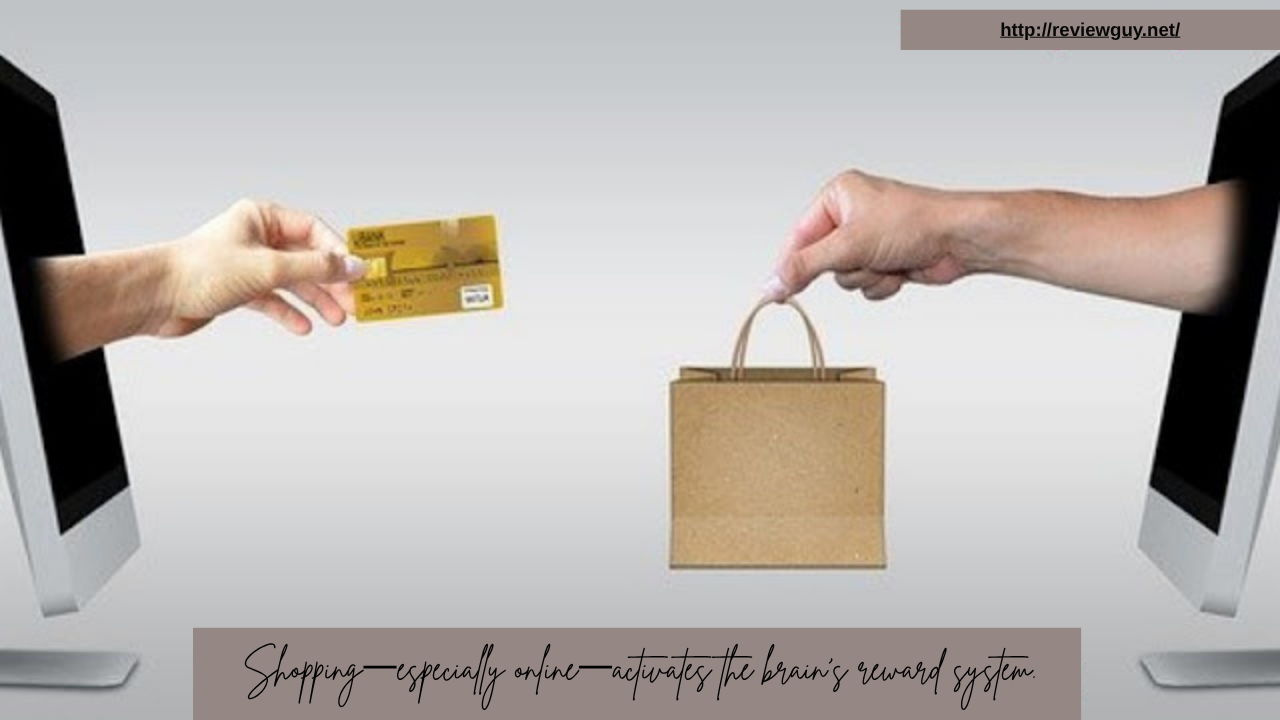
Online shopping offers a quick fix for many emotions. Feeling bored? Scroll through new arrivals. Stressed? Add to cart. Lonely? A package on your doorstep brings a little thrill. While buying things online isn’t inherently harmful, for many people, it becomes more than just a convenience—it turns into a coping mechanism. If you find yourself shopping not out of need but to deal with emotions, it’s time to take a closer look.
Why Shopping Becomes a Coping Mechanism
Shopping—especially online—activates the brain’s reward system. The anticipation of receiving a package, the excitement of browsing, and the temporary joy of a new item can provide a mental high. When you’re anxious, sad, or overwhelmed, your brain may crave that quick dopamine boost.
Unlike other coping strategies like overeating or drinking, online shopping can feel more socially acceptable or even productive. After all, you’re not “wasting” time—you’re just buying something useful, right? But when this behavior becomes a default emotional outlet, it can lead to financial stress, regret, and emotional avoidance.
Signs That You’re Using Shopping to Cope
- You shop when you’re emotional, not because you need something.
- You feel a sense of relief or excitement while browsing or purchasing.
- You often regret purchases or feel guilt afterward.
- Your shopping habits have led to debt, clutter, or stress.
- You’ve tried to cut back but find it difficult.
If any of these resonate with you, you may be using shopping as a way to self-soothe or avoid dealing with underlying emotions.
How to Break the Cycle and Replace the Habit
1. Identify the Triggers
Keep a journal of your shopping urges. What are you feeling when you get the urge to browse or buy? Are you stressed, sad, bored, or anxious? Understanding what emotions are behind your spending can help you address the root cause instead of masking it.
2. Pause Before You Purchase
When the urge to shop hits, take a deep breath and pause. Use the “24-hour rule”—wait a full day before deciding whether to buy. This gives you time to reflect on whether the purchase is necessary or just emotional.
3. Find Healthier Coping Mechanisms
Replace emotional shopping with activities that genuinely soothe or uplift you. This might include:
- Going for a walk or exercising
- Meditating or practicing deep breathing
- Journaling your thoughts and feelings
- Calling or texting a supportive friend
- Engaging in a creative hobby or project
4. Create Boundaries
Unsubscribe from promotional emails, uninstall shopping apps, and set screen time limits during your most vulnerable hours. These small changes reduce temptation and create space for better choices.
5. Seek Support
If your shopping is deeply ingrained or causing distress, consider talking to a therapist. Cognitive-behavioral therapy (CBT) is especially effective in helping people replace unhealthy habits with constructive alternatives.
Final Thoughts
Online shopping can be fun and convenient—but if it’s become your go-to emotional escape, it may be time to reassess. Recognizing the habit is the first powerful step toward healing. By addressing your emotional needs directly and adopting healthier coping tools, you can break free from the cycle and take back control over your spending and well-being.