The thrill of clicking “buy now” can feel harmless at first. For many, online shopping provides a quick escape from stress or boredom. But when shopping becomes a primary way to cope with difficult emotions, it can spiral into a dependence that brings more harm than relief. Financial strain, emotional distress, and fractured relationships often follow. Recognizing online shopping dependence as more than a spending habit is the first step toward reclaiming control and healing.
Understanding Online Shopping Dependence
Online shopping dependence is a form of behavioral addiction. Instead of focusing on the items being purchased, the compulsion is tied to the feelings triggered by the act of buying. The anticipation of delivery and the short-term “high” of a purchase often mask underlying stress, anxiety, or loneliness. This cycle may bring temporary comfort, but it leaves individuals with regret and mounting financial pressure.
Warning Signs to Watch For
Not every impulse purchase signals an addiction, but certain patterns can indicate a deeper problem:
- Shopping to relieve stress, sadness, or boredom
- Hiding receipts, packages, or bank statements from loved ones
- Feeling guilt or regret after purchases but continuing the behavior
- Struggling with debt or financial hardship due to overspending
- Becoming anxious or irritable when unable to shop online
If these signs sound familiar, it may be time to evaluate whether shopping has become an unhealthy coping mechanism.
Why Retail Therapy Turns Into a Real Problem
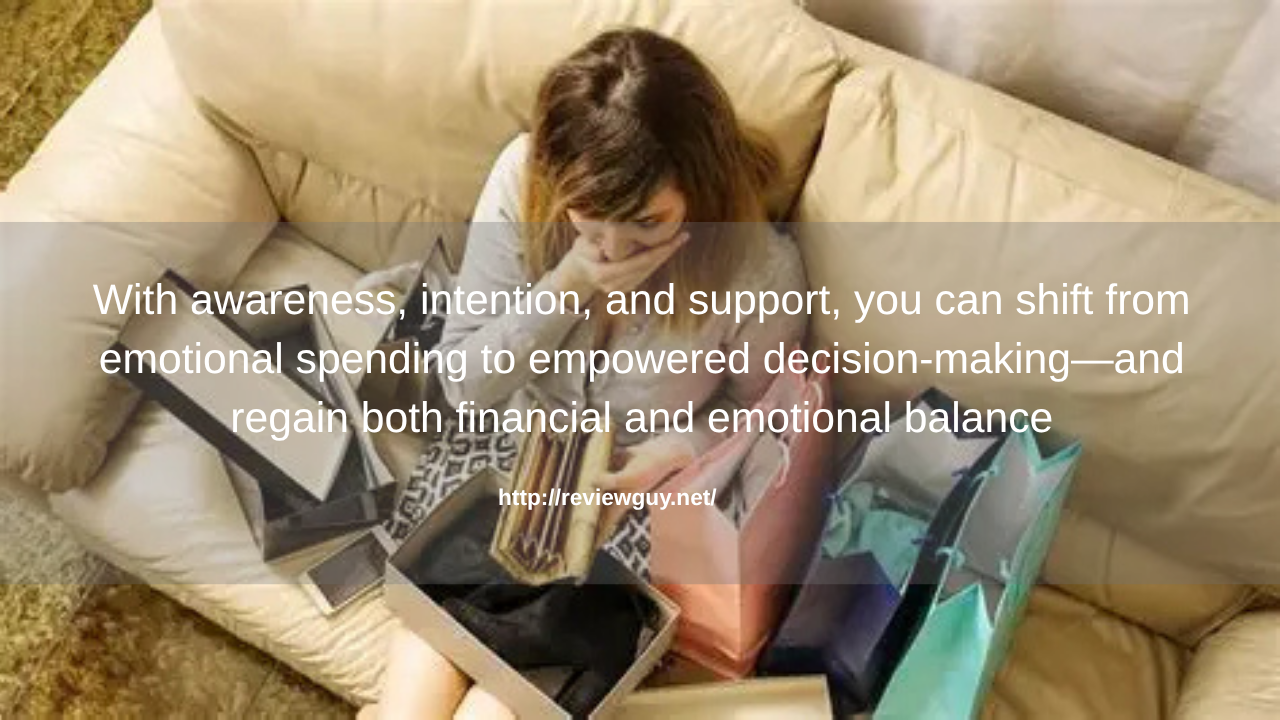
Shopping often becomes a way to manage emotions rather than address them. This makes the behavior appealing in the short term but destructive in the long term. Similar to other behavioral addictions, the root issue is rarely about money or possessions. It is about finding relief from internal struggles. Without healthier coping strategies, online shopping dependence can deepen feelings of guilt, shame, and isolation.
Practical Strategies to Break Free
Breaking free from online shopping dependence takes courage and practical steps. Here are a few strategies to help regain control:
Identify Emotional Triggers
Keep a journal of your moods and spending habits. Recognizing when and why you shop can help uncover the emotions driving the behavior.
Set Healthy Boundaries
Limit credit card use, create spending budgets, and hold yourself accountable by sharing your goals with a trusted friend or family member.
Reduce Digital Temptations
Unsubscribe from marketing emails, remove shopping apps from your phone, and set intentional limits on screen time.
Replace the Habit with Healthier Coping Skills
Turn to activities that build resilience and reduce stress, such as exercise, journaling, meditation, or connecting with supportive relationships.
When Professional Help Is Needed
For many, self-guided strategies are not enough. Online shopping dependence can be deeply tied to mental health challenges like anxiety, depression, or trauma. In these cases, professional support provides the guidance needed to heal at the root.
Treatment centers like Review Guy’s network of care providers offer holistic recovery programs that go beyond surface behaviors. Through inpatient and outpatient care, individuals receive personalized therapy, group support, and faith-based guidance that address both emotional and financial struggles. This approach ensures healing is not only about stopping the behavior but also about building healthier, more fulfilling ways to live.
Choosing Recovery and Moving Forward
Breaking free from online shopping dependence is possible. With the right tools, support, and treatment, individuals can move from the cycle of retail highs and financial lows toward balance and peace of mind. Recovery begins with acknowledging the problem and reaching out for help.
If you or a loved one is struggling with compulsive online shopping, now is the time to take action. Contact a trusted treatment provider today and begin your journey toward freedom, healing, and financial stability.
The thrill of clicking “buy now” can feel harmless at first. For many, online shopping provides a quick escape from stress or boredom. But when shopping becomes a primary way to cope with difficult emotions, it can spiral into a dependence that brings more harm than relief. Financial strain, emotional distress, and fractured relationships often follow. Recognizing online shopping dependence as more than a spending habit is the first step toward reclaiming control and healing.
Understanding Online Shopping Dependence
Online shopping dependence is a form of behavioral addiction. Instead of focusing on the items being purchased, the compulsion is tied to the feelings triggered by the act of buying. The anticipation of delivery and the short-term “high” of a purchase often mask underlying stress, anxiety, or loneliness. This cycle may bring temporary comfort, but it leaves individuals with regret and mounting financial pressure.
Warning Signs to Watch For
Not every impulse purchase signals an addiction, but certain patterns can indicate a deeper problem:
- Shopping to relieve stress, sadness, or boredom
- Hiding receipts, packages, or bank statements from loved ones
- Feeling guilt or regret after purchases but continuing the behavior
- Struggling with debt or financial hardship due to overspending
- Becoming anxious or irritable when unable to shop online
If these signs sound familiar, it may be time to evaluate whether shopping has become an unhealthy coping mechanism.
Why Retail Therapy Turns Into a Real Problem
Shopping often becomes a way to manage emotions rather than address them. This makes the behavior appealing in the short term but destructive in the long term. Similar to other behavioral addictions, the root issue is rarely about money or possessions. It is about finding relief from internal struggles. Without healthier coping strategies, online shopping dependence can deepen feelings of guilt, shame, and isolation.
Practical Strategies to Break Free
Breaking free from online shopping dependence takes courage and practical steps. Here are a few strategies to help regain control:
Identify Emotional Triggers
Keep a journal of your moods and spending habits. Recognizing when and why you shop can help uncover the emotions driving the behavior.
Set Healthy Boundaries
Limit credit card use, create spending budgets, and hold yourself accountable by sharing your goals with a trusted friend or family member.
Reduce Digital Temptations
Unsubscribe from marketing emails, remove shopping apps from your phone, and set intentional limits on screen time.
Replace the Habit with Healthier Coping Skills
Turn to activities that build resilience and reduce stress, such as exercise, journaling, meditation, or connecting with supportive relationships.
When Professional Help Is Needed
For many, self-guided strategies are not enough. Online shopping dependence can be deeply tied to mental health challenges like anxiety, depression, or trauma. In these cases, professional support provides the guidance needed to heal at the root.
Treatment centers like Review Guy’s network of care providers offer holistic recovery programs that go beyond surface behaviors. Through inpatient and outpatient care, individuals receive personalized therapy, group support, and faith-based guidance that address both emotional and financial struggles. This approach ensures healing is not only about stopping the behavior but also about building healthier, more fulfilling ways to live.
Choosing Recovery and Moving Forward
Breaking free from online shopping dependence is possible. With the right tools, support, and treatment, individuals can move from the cycle of retail highs and financial lows toward balance and peace of mind. Recovery begins with acknowledging the problem and reaching out for help.
If you or a loved one is struggling with compulsive online shopping, now is the time to take action. Contact a trusted treatment provider today and begin your journey toward freedom, healing, and financial stability.