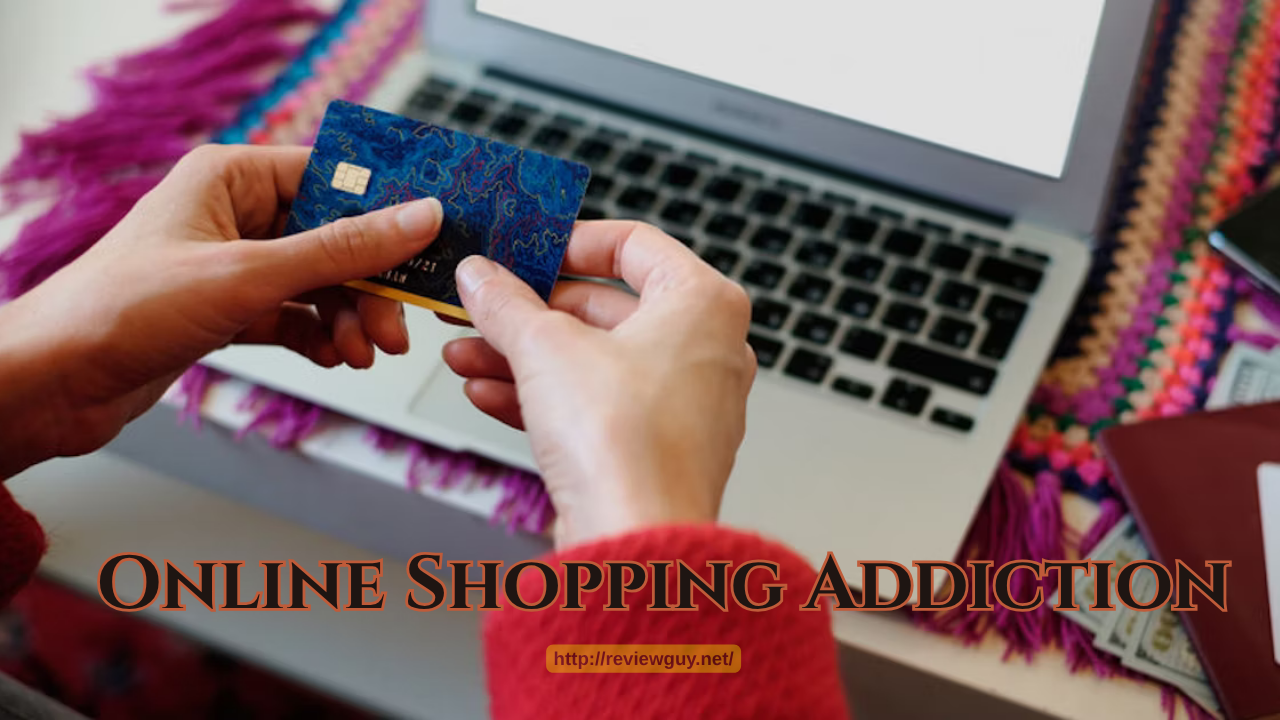
More Than a Hobby: How to Recognize and Treat Online Shopping Addiction

Online shopping is a convenient way to buy essentials, discover new products, and occasionally indulge in something special. For most people, it is simply a hobby or a practical tool. However, for some, what begins as harmless browsing can evolve into a compulsive behavior that impacts emotional well-being, finances, and relationships. Recognizing online shopping addiction as a genuine behavioral issue is the first step toward recovery and lasting change.

Understanding Online Shopping Addiction

Online shopping addiction is a behavioral pattern in which individuals feel compelled to make purchases to manage emotions, rather than to meet actual needs. The temporary thrill of buying provides a short-term sense of relief, but the cycle often leads to guilt, stress, and financial strain. Unlike normal spending habits, compulsive online shopping is driven by emotional needs, making it a complex issue that affects mental health.

Common Signs of Compulsive Online Shopping

Identifying problematic behavior early is essential for effective intervention. Signs that online shopping has moved beyond a hobby may include:

  • Making frequent purchases to relieve stress, boredom, or sadness
  • Hiding purchases or financial activity from loved ones
  • Experiencing guilt or regret after shopping but continuing the behavior
  • Facing financial difficulties, such as debt or missed payments, due to spending
  • Feeling anxious or restless when unable to shop online

Awareness of these signs allows individuals to take proactive steps to regain control and seek appropriate support.

The Emotional and Mental Health Connection

Compulsive online shopping often masks deeper emotional struggles. Individuals may use purchasing as a way to cope with anxiety, depression, or feelings of inadequacy. While each transaction can provide momentary relief, it does not address the underlying challenges. Over time, this behavior can exacerbate emotional distress and create a cycle of dependence that is difficult to break without structured support.

Practical Strategies to Manage Online Shopping

Addressing online shopping addiction requires both self-awareness and intentional actions. The following strategies can help:

Identify Emotional Triggers

Tracking emotions alongside purchasing habits can reveal patterns. Understanding why you shop—whether to relieve stress, loneliness, or boredom—allows for healthier alternatives.

Implement Spending Boundaries

Set a monthly budget, limit credit card use, or remove saved payment methods from devices. These boundaries reduce impulsive purchases and create space for reflection.

Replace Shopping with Positive Coping Mechanisms

Engage in activities that provide emotional fulfillment without financial consequences. Exercise, mindfulness practices, journaling, or connecting with supportive friends can replace the temporary relief of shopping with sustainable well-being.

Seek Professional Support

For many, self-guided strategies are not enough. Professional treatment addresses both the behavioral and emotional aspects of online shopping addiction. Programs that offer inpatient and outpatient care, holistic therapies, and faith-based guidance can provide structured recovery. At Review Guy’s network of care providers, individuals receive personalized treatment plans that promote emotional healing, financial responsibility, and long-term balance.

Taking the First Step Toward Recovery

Online shopping addiction is more than a harmless hobby. Recognizing the signs and seeking support can prevent further emotional distress and financial complications. With compassionate, individualized care, it is possible to break free from compulsive shopping, rebuild relationships, and restore a sense of control.

If you or a loved one is struggling with compulsive online shopping, now is the time to take action. Reach out to a trusted professional today and begin the journey toward healing, balance, and lasting recovery.

The Emotional Cost of Convenience: Is Your Online Shopping Out of Control?

Online shopping has made life easier than ever before. With just a few clicks, you can have groceries, clothing, or electronics delivered straight to your door. The convenience is undeniable, but for many people, that same convenience can become a hidden trap. When shopping shifts from a practical tool to an emotional escape, it can carry a heavy cost. The emotional toll of compulsive online shopping often runs deeper than the financial stress it creates, leaving individuals caught in a cycle of regret, guilt, and anxiety.

Understanding the Appeal of Online Shopping

The rise of online shopping platforms has made spending money effortless. Personalized recommendations, endless discounts, and the promise of instant gratification make it hard to resist. For some, shopping becomes more than a convenience; it turns into a coping mechanism for stress, loneliness, or boredom. Instead of addressing the root emotions, individuals may use purchases as a temporary mood boost, only to feel regret once the transaction is complete.

When Convenience Becomes a Crutch

Occasional online shopping is not harmful, but there are clear warning signs when convenience crosses into dependence. These signs include:

  • Shopping to numb emotions rather than to meet genuine needs
  • Feeling anxious or restless when avoiding online purchases
  • Hiding spending habits or packages from loved ones
  • Experiencing financial strain due to unchecked buying
  • Feeling guilt or shame immediately after purchases but repeating the behavior

Recognizing these patterns is an essential step toward breaking free from the cycle.

The Emotional and Mental Health Impact

Compulsive online shopping is more than a financial problem. It is a behavioral pattern that often stems from unresolved emotional struggles. Each purchase may bring a short-lived sense of relief, but the underlying stress, sadness, or emptiness remains. Over time, this cycle can intensify feelings of guilt and shame, damage relationships, and worsen mental health conditions like anxiety or depression.

Practical Strategies to Regain Control

Recovery from compulsive spending requires both emotional insight and practical action. The following strategies can help individuals begin the journey toward balance:

Identify Triggers and Patterns

Track when and why you shop online. Do you notice it happens after a stressful day, during moments of loneliness, or late at night when distractions are few? Recognizing triggers makes it possible to choose healthier coping responses.

Create Barriers to Impulse Spending

Simple steps such as removing saved payment information, deleting shopping apps, or setting a 24-hour rule before making purchases can prevent impulsive decisions. These small boundaries create space for reflection and intentional choices.

Replace Shopping with Healthy Outlets

Engage in activities that provide emotional relief without financial cost. Exercise, journaling, creative hobbies, or connecting with supportive friends can replace the temporary rush of shopping with sustainable well-being.

Seek Professional Guidance

For many, breaking free from compulsive shopping requires more than willpower. Professional addiction recovery programs provide the structure, tools, and support needed for lasting change. At Review Guy’s network of trusted resources, individuals can find personalized treatment options including inpatient and outpatient care, holistic therapies, and faith-based guidance. These approaches address both the emotional roots and the behavioral patterns of shopping addiction.

Moving Toward Healing

The convenience of online shopping should not come at the cost of your emotional and financial health. By recognizing the signs of dependence, exploring healthier coping strategies, and reaching out for professional support, recovery is possible.

If you or someone you love is struggling with compulsive online shopping, know that help is available. Through compassionate, individualized care that addresses the whole person, healing and freedom are within reach. Take the step today to reclaim control, restore balance, and invest in your well-being.

Shopping for Relief or Creating Stress? The Hidden Dangers of Online Spending

Online shopping has become a part of everyday life. The convenience, variety, and instant gratification make it easy to click “buy now” from the comfort of home. For some, shopping is an enjoyable activity or even a brief escape from stress. However, when online spending is used as a primary method to manage emotions, it can lead to financial strain, guilt, and long-term emotional challenges. Understanding the hidden dangers of compulsive online shopping is critical for anyone seeking to regain control over their finances and emotional well-being.

Understanding Compulsive Online Spending

Compulsive online spending is a behavioral addiction in which the act of purchasing becomes a way to cope with stress, anxiety, or negative emotions. Unlike typical shopping, this behavior is less about acquiring goods and more about achieving a temporary emotional high. Each purchase may provide momentary relief, but the feeling fades quickly, leaving individuals with regret, financial pressure, and unresolved emotional challenges.

Key Signs of Compulsive Online Shopping

Recognizing when online shopping has become a problem is the first step toward recovery. Common warning signs include:

  • Shopping frequently to manage stress, boredom, or sadness
  • Feeling anxiety or agitation when access to online shopping is limited
  • Hiding purchases or financial information from loved ones
  • Experiencing debt, missed payments, or other financial consequences due to online spending
  • Feeling guilt or regret after purchases but continuing to shop impulsively

Identifying these patterns allows individuals to take proactive steps before the behavior escalates further.

Why Online Shopping Feels Like Relief

For many people, the convenience and instant gratification of online shopping make it an appealing way to cope with emotions. The short-term satisfaction and distraction can create a temporary sense of control or happiness. However, without addressing the underlying emotional or psychological issues, the behavior becomes a cycle: shopping provides relief, which fades, prompting more shopping to recapture that feeling. Over time, this cycle can interfere with relationships, mental health, and overall financial stability.

Strategies to Reduce Compulsive Spending

Breaking free from online shopping dependence requires both self-awareness and practical strategies.

Identify Emotional Triggers

Keeping a journal of emotions and spending habits can reveal patterns. Understanding whether stress, loneliness, or boredom triggers shopping helps in developing healthier coping mechanisms.

Set Practical Boundaries

Establishing a budget for discretionary spending, limiting credit card use, and deleting shopping apps can reduce impulsive purchases. Creating these boundaries provides a sense of control and encourages intentional decision-making.

Replace Shopping with Healthy Alternatives

Instead of using online shopping to cope, explore alternative activities that provide emotional relief. Exercise, meditation, journaling, creative hobbies, or talking with supportive friends can fulfill emotional needs without financial consequences.

Seek Professional Support

For many individuals, professional help is essential. Programs that offer inpatient or outpatient care, holistic therapies, and faith-based guidance can provide personalized treatment to address both the emotional and behavioral aspects of compulsive shopping. Therapy and counseling help individuals develop healthier coping skills and rebuild self-esteem.

Moving Toward Recovery

Compulsive online shopping does not have to control your life. Recognizing the signs, implementing practical strategies, and seeking professional guidance are key steps toward recovery. Facilities like those affiliated with Review Guy offer compassionate, individualized care that addresses the whole person, combining mental health support with holistic and faith-based approaches.

If you or a loved one struggles with compulsive online shopping, reaching out for help is the first step toward financial stability, emotional balance, and lasting recovery. Taking action today can prevent further stress and empower you to regain control over your life.

When Retail Therapy Hurts: A Guide to Managing Compulsive Online Shopping

For many people, shopping online can feel like a harmless escape. A new package arriving at the doorstep brings excitement, and the convenience of browsing from home makes it even easier. But when retail therapy turns into a pattern of compulsive online shopping, the temporary relief it provides often comes at a heavy emotional and financial cost. What begins as a coping mechanism for stress, sadness, or boredom can spiral into an addiction that requires understanding and intentional recovery.

Understanding Compulsive Online Shopping

Compulsive online shopping is more than overspending. It is a behavioral addiction that stems from using purchases to fill emotional voids or regulate difficult feelings. The act of buying provides a quick rush, but that high is short-lived. Over time, the cycle creates guilt, debt, and even strain in relationships. Recognizing the behavior for what it is can help shift the perspective from “bad spending habits” to a genuine mental health challenge that deserves care and attention.

Signs That Retail Therapy Has Become Harmful

It can be difficult to tell the difference between normal shopping and a compulsive pattern. Some common red flags include:

  • Shopping to relieve anxiety, sadness, or loneliness
  • Feeling guilt or regret immediately after making a purchase
  • Hiding receipts or packages from family or loved ones
  • Struggling with debt or financial instability due to frequent spending
  • Feeling restless or irritable when unable to shop online

When these behaviors become consistent, they often indicate a deeper issue that needs to be addressed.

Why Shopping Becomes a Coping Mechanism

Shopping temporarily distracts from negative emotions. The anticipation of delivery, the satisfaction of clicking “buy,” and the illusion of control all provide relief. Unfortunately, these benefits fade quickly, leaving underlying struggles unresolved. Without addressing the root causes, the cycle continues and often worsens. For many, compulsive shopping is connected to stress, trauma, or underlying mental health challenges such as depression or anxiety.

Strategies for Managing Online Shopping Urges

Breaking free from compulsive shopping requires both practical tools and emotional healing. Here are some effective strategies:

Identify Your Triggers

Keep track of when and why you shop. Noticing whether stress, loneliness, or boredom prompts spending can help you develop healthier responses.

Create Barriers to Impulse Buying

Remove shopping apps from your phone, unsubscribe from marketing emails, and delay purchases by giving yourself a 24-hour cooling-off period before checking out.

Practice Mindful Spending

Before purchasing, ask yourself if the item is truly necessary or if it is being used to cope with emotions. Mindful decision-making helps create intentional spending habits.

Build Healthier Coping Skills

Replace shopping with positive alternatives such as exercise, journaling, meditation, or connecting with supportive people. Building resilience is key to reducing dependence on temporary relief.

The Role of Professional Support

For many people, self-guided steps are helpful but not enough. Compulsive online shopping is often tied to emotional pain that cannot be solved by willpower alone. Professional treatment offers deeper support by addressing the root causes of the behavior.

At Review Guy’s trusted network of care providers, individuals can access inpatient and outpatient programs designed to treat behavioral addictions with compassion and expertise. Holistic and faith-based approaches, combined with evidence-based therapies, provide healing for both the mind and spirit. This personalized care empowers individuals to regain control and build a more balanced, fulfilling life.

Choosing Recovery Today

When retail therapy hurts more than it helps, it is time to seek change. Compulsive online shopping does not have to define your life or your future. By recognizing the signs, practicing healthier habits, and reaching out for professional support, recovery is possible.

If you or someone you love is struggling with compulsive shopping, know that help is available. Contact a trusted treatment provider today and take the first step toward freedom, healing, and lasting financial peace.