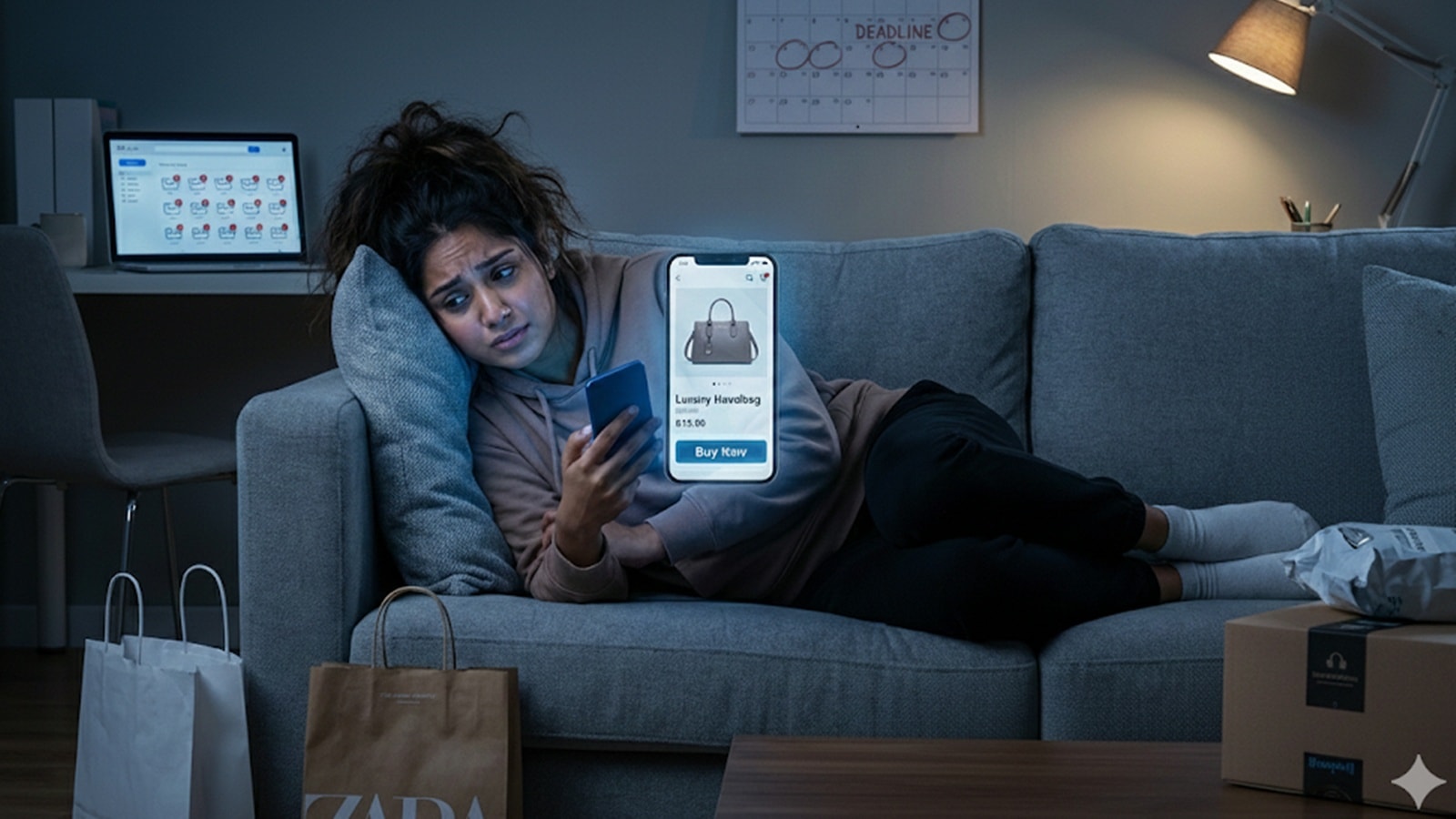
Online shopping has changed the way we purchase everyday essentials, gifts, and personal items. The convenience of shopping from home, combined with personalized recommendations and fast delivery, has made it a normal part of daily life. While most people can shop online without difficulty, others find themselves caught in a pattern of compulsive buying that affects their emotional well being, financial security, and relationships. If you have ever wondered whether your online shopping is becoming a problem, recognizing the warning signs is the first step toward positive change.
Online shopping compulsion is not simply about spending too much money. It is often connected to deeper emotional struggles that deserve understanding, compassion, and professional support. With the right treatment and healthy coping strategies, recovery is possible.
What Is Online Shopping Compulsion?
Online shopping compulsion is a behavioral addiction that involves an ongoing urge to shop despite negative consequences. Unlike occasional impulse purchases, compulsive buying becomes repetitive, difficult to control, and emotionally driven.
For many people, shopping serves as a temporary escape from stress, anxiety, loneliness, boredom, or sadness. Although making a purchase may provide a brief emotional boost, those positive feelings often disappear quickly. They are frequently replaced by guilt, regret, or financial worry, which can trigger another cycle of spending.
Why Online Shopping Can Become Addictive
Modern shopping platforms are designed to encourage engagement. Personalized product suggestions, flash sales, reward programs, and one click purchasing make it easier than ever to buy without much thought.
When emotional distress is already present, these features can reinforce unhealthy habits. Over time, the brain begins associating shopping with emotional relief, making the behavior increasingly difficult to resist.
Warning Signs That Your Online Shopping May Be Out of Control
Recognizing the early warning signs can prevent compulsive shopping from becoming more disruptive.
Shopping Has Become Your Main Coping Strategy
If your first response to stress, disappointment, or loneliness is opening a shopping app instead of addressing your emotions directly, shopping may have become an unhealthy coping mechanism.
You Frequently Buy Things You Do Not Need
Impulse purchases happen occasionally for everyone. However, consistently buying unnecessary items or ordering products you rarely use may indicate compulsive buying behavior.
You Feel Guilty After Making Purchases
Many individuals experience excitement while shopping but regret shortly afterward. Feeling ashamed or disappointed after spending is one of the most common emotional signs of compulsive shopping.
Your Spending Is Creating Financial Stress
Difficulty paying bills, growing credit card balances, or borrowing money because of shopping habits are serious indicators that spending has become harmful.
You Hide Your Shopping Habits
Deleting purchase confirmations, hiding deliveries, or avoiding conversations about money often suggests that shopping behavior has become difficult to manage.
How Compulsive Shopping Affects Mental Health
Compulsive buying impacts far more than a bank account. It can gradually influence emotional health, confidence, and everyday functioning.
Increased Anxiety
Financial concerns, hidden spending, and repeated attempts to stop shopping can create ongoing anxiety. The emotional burden often grows as the behavior continues.
Depression and Low Self Esteem
Many people struggling with compulsive shopping begin criticizing themselves for their inability to stop. These feelings can contribute to depression, hopelessness, and reduced confidence.
Relationship Challenges
Financial disagreements and secrecy surrounding purchases can create tension within families and relationships. Over time, trust may become damaged, making emotional support more difficult to maintain.
Taking the Next Steps Toward Recovery
Recovery begins with recognizing that compulsive shopping is not a personal failure. It is a behavioral health challenge that can be treated with the right guidance and support.
Identify Emotional Triggers
Spend time noticing what happens before the urge to shop appears. Common triggers include stress, loneliness, boredom, frustration, and emotional exhaustion. Understanding these patterns helps reduce automatic responses.
Create Healthier Shopping Habits
Practical changes can make a meaningful difference. Consider removing saved payment information, setting monthly spending limits, unsubscribing from promotional emails, and waiting at least twenty four hours before making nonessential purchases.
Replace Shopping With Positive Coping Skills
Healthy alternatives can reduce emotional dependence on shopping. Physical activity, mindfulness, journaling, volunteering, creative hobbies, and spending time with supportive friends or family all encourage emotional resilience.
Seek Professional Treatment
Many people benefit from professional addiction recovery services and mental health treatment when compulsive shopping becomes difficult to control.
ReviewGuy highlights the importance of individualized care that addresses both behavioral addictions and the emotional issues that contribute to them. Depending on individual needs, treatment may include inpatient care, outpatient programs, individual counseling, group therapy, holistic therapies, and faith based support. By treating the whole person instead of only the behavior, recovery becomes more sustainable.
Build a Long Term Recovery Plan
Recovery is an ongoing process rather than a single event. Continuing therapy, practicing healthy coping skills, maintaining accountability, and strengthening emotional wellness all contribute to lasting success.
Why Holistic Healing Matters
Compulsive shopping often reflects unmet emotional needs rather than a simple lack of willpower. Holistic treatment recognizes the connection between mental, emotional, physical, and spiritual health.
Combining evidence based therapy with mindfulness practices, wellness activities, family support, and faith based guidance when desired can provide a more complete foundation for recovery. This personalized approach allows individuals to heal at a deeper level while building healthier habits for the future.
Conclusion
If your online shopping feels increasingly difficult to control, you are not alone. Compulsive buying is a real behavioral health concern that can affect your emotional well being, financial stability, and relationships. Fortunately, early recognition and professional support can make a meaningful difference.
By identifying warning signs, understanding emotional triggers, and seeking compassionate treatment, you can regain control over your spending and improve your overall quality of life. Whether you benefit from outpatient counseling, inpatient treatment, holistic therapies, or faith based support, recovery is possible.
Taking the first step today can lead to greater emotional balance, healthier decision making, and lasting freedom from the cycle of compulsive online shopping.