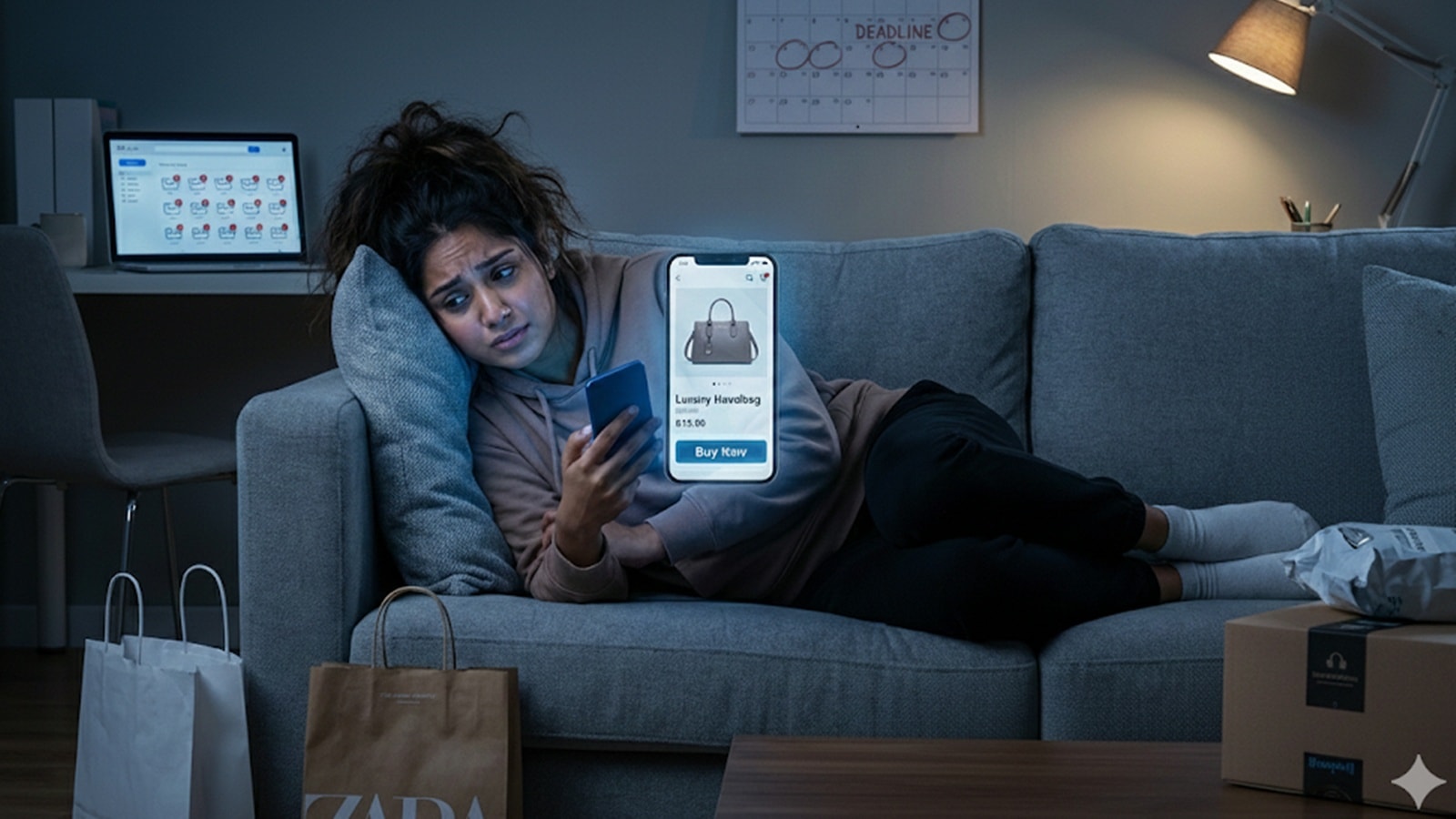
Online shopping is designed to be fast, convenient, and easy to repeat. For most people, buying something online is simply a practical part of daily life. However, when the urge to buy becomes difficult to control and shopping turns into a way to escape stress, anxiety, loneliness, or other painful emotions, the behavior can begin to affect far more than a bank account. Understanding how online shopping compulsion develops can help individuals recognize the warning signs and seek meaningful support before the consequences become more serious.
Compulsive online buying is not a personal failure or a sign of weak character. Behavioral patterns can become deeply connected to emotions, habits, and the search for temporary relief. With compassionate mental health treatment, addiction recovery support, and individualized care, people can better understand what drives compulsive spending and develop healthier ways to cope.
How Does Online Shopping Compulsion Develop?
Online shopping compulsion often develops gradually. A person may begin by making occasional impulse purchases and eventually find that shopping has become an automatic response to certain feelings or situations.
The convenience of online shopping can make this process especially difficult to recognize. Stores are available at any time, products are constantly promoted, and a purchase can be completed in seconds. What begins as casual browsing can slowly become a repetitive behavior that feels increasingly difficult to control.
The Temporary Reward of Making a Purchase
Shopping can create a sense of anticipation and excitement. Searching for products, comparing options, adding items to a cart, and completing a purchase may temporarily improve a person’s mood.
For someone experiencing emotional distress, that temporary improvement can be powerful. The brain begins associating shopping with relief, making the behavior more likely to occur again when similar emotions return.
The problem is that the relief often does not last.
Once the excitement fades, the original feelings may still be present. In some cases, guilt, financial stress, or regret can make those emotions even more difficult to manage.
The Emotional Cycle Behind Compulsive Buying
Many people who struggle with compulsive online buying experience a repeating emotional cycle:
- A difficult emotion or stressful situation occurs.
- The person feels an urge to browse or shop online.
- Shopping provides distraction, excitement, or temporary relief.
- A purchase is made.
- The positive feeling fades.
- Guilt, regret, or stress may follow.
- Another difficult emotion eventually triggers the urge to shop again.
Over time, this cycle can become deeply ingrained. The person may recognize the negative consequences but still feel unable to stop.
Common Emotional Triggers for Online Shopping Compulsion
Understanding emotional triggers is an important part of recovery. Different people may shop for different reasons, and several triggers can exist at the same time.
Stress and Feeling Overwhelmed
Shopping can provide a quick distraction from demanding responsibilities. After a stressful day, browsing an online store may feel easier than processing difficult emotions or confronting a problem.
Unfortunately, the purchase does not remove the source of the stress. If excessive spending creates financial difficulties, the cycle can become even more complicated.
Anxiety
Anxiety can create a strong desire for comfort and immediate relief. Shopping may temporarily redirect attention away from anxious thoughts.
Some people also experience a brief sense of control when choosing and purchasing something. However, once the transaction is complete, the underlying anxiety may return.
Loneliness and Isolation
Online shopping can provide stimulation when someone feels disconnected from others. Browsing products and anticipating a delivery can temporarily fill emotional space.
However, meaningful relationships and genuine support cannot be replaced by packages arriving at the door.
Boredom
Boredom can also contribute to compulsive spending. Shopping websites and apps offer endless choices, promotions, and new products. For some people, browsing gradually becomes a regular source of entertainment.
If boredom consistently leads to unnecessary purchases, developing healthier activities and routines can become an important part of recovery.
Low Self Esteem
Some purchases can provide a temporary feeling of confidence or accomplishment. New clothing, technology, beauty products, or luxury items may briefly change how someone feels about themselves.
However, lasting self worth requires more than another purchase. Addressing the emotional concerns underneath the behavior can help create more sustainable confidence.
Signs That the Urge to Buy May Be Becoming a Problem
Occasional impulse buying does not necessarily mean someone has a compulsive shopping problem. The concern is the overall pattern and whether the behavior is causing harm.
You Shop to Change How You Feel
Shopping may be becoming an unhealthy coping mechanism if you regularly turn to it when you feel stressed, sad, lonely, anxious, angry, or emotionally overwhelmed.
You Spend More Than You Can Afford
Repeatedly exceeding a budget, relying heavily on credit, or spending money needed for important responsibilities can indicate that the behavior is becoming difficult to control.
You Feel Unable to Stop
You may repeatedly promise yourself that you will stop or reduce your spending, only to find yourself making more purchases shortly afterward.
Difficulty controlling the behavior is an important warning sign.
You Hide Purchases From Others
Deleting receipts, concealing packages, or avoiding conversations about spending can suggest that you are aware the behavior is causing concern.
Secrecy can also create additional stress and damage trust within important relationships.
You Feel Relief Followed by Regret
A common pattern involves excitement during shopping followed by guilt, shame, or anxiety afterward. This can indicate that the emotional experience of buying has become more important than the item being purchased.
Shopping Is Affecting Your Daily Life
Compulsive spending can interfere with financial stability, relationships, work, sleep, and emotional well being. When shopping begins taking priority over important responsibilities, it may be time to seek professional support.
Practical Steps to Interrupt the Compulsive Shopping Cycle
Recovery begins with awareness, but practical changes can also help create distance between an urge and a purchase.
Identify Your Personal Triggers
Pay attention to what happens before you feel the urge to shop. Ask yourself:
- What am I feeling right now?
- What happened before this urge appeared?
- What do I hope shopping will change?
- Is there another way to meet this emotional need?
Keeping a journal can help reveal patterns that may otherwise be difficult to notice.
Create Time Before Making a Purchase
A waiting period can help reduce emotional decision making. Consider waiting at least 24 hours before purchasing nonessential items.
During that time, ask whether you still want the item or whether the urge was connected primarily to an emotion.
Reduce Easy Access to Shopping
Small changes can make impulsive buying less automatic. You may choose to remove saved payment information, unsubscribe from promotional emails, turn off retail notifications, or delete shopping apps that you use impulsively.
Build Healthier Ways to Cope
The goal is not simply to stop shopping. Lasting recovery involves finding healthier ways to respond to the emotions that once triggered the behavior.
Physical activity, creative hobbies, mindfulness, journaling, time outdoors, supportive relationships, and stress management practices can all become healthier outlets.
When Should You Seek Professional Support?
Professional support may be appropriate when compulsive online buying continues despite repeated attempts to stop or when it is creating significant emotional, financial, or relationship problems.
Mental health treatment can help individuals explore the emotional and behavioral patterns connected to compulsive spending. Therapy may also help address co-occurring concerns such as anxiety, depression, trauma, chronic stress, or low self esteem.
Individualized Care Matters
Every person’s experience with compulsive behavior is different. Effective treatment should consider the individual’s emotional health, personal history, relationships, environment, strengths, and recovery goals.
Individualized care can help identify why the behavior developed and what type of support may be most beneficial.
Inpatient and Outpatient Support
Different levels of care may be appropriate depending on a person’s overall needs. Inpatient treatment can provide a structured and supportive environment for individuals who require intensive care.
Outpatient treatment can offer ongoing therapy and recovery support while allowing individuals to continue with appropriate responsibilities at home, work, or school.
A professional assessment can help determine which level of care is most appropriate.
A Holistic Approach to Healing
Compulsive behaviors can affect many areas of life. A holistic approach recognizes the connection between emotional health, physical wellness, relationships, daily habits, and a person’s sense of purpose.
Recovery may include therapeutic support alongside practices that strengthen overall well being. Healthy routines, stress management, mindfulness, physical wellness, and supportive relationships can all contribute to lasting change.
For individuals who value spirituality, faith based support may also provide hope, encouragement, and a meaningful sense of direction throughout the recovery process.
Recovery Can Help You Build a Healthier Relationship With Spending
Recovery from compulsive online buying is not necessarily about never purchasing something again. The goal is to develop a healthier and more intentional relationship with shopping.
Instead of automatically responding to stress by opening a shopping app, you can learn to pause and recognize what you truly need. You may need rest, connection, encouragement, emotional support, or time to process a difficult experience.
Learning to tolerate uncomfortable emotions without immediately acting on an urge is an important recovery skill. With practice and appropriate support, new responses can gradually become stronger than old habits.
Take the Next Step Toward Support
The urge to buy can feel harmless at first. However, when online shopping becomes a repeated way to escape difficult emotions or when spending begins causing problems in your life, recognizing the pattern can be an important turning point.
You do not have to wait until financial difficulties or relationship problems become overwhelming before seeking help. Early support can provide an opportunity to understand the emotional triggers behind compulsive buying and develop healthier coping strategies.
Compassionate addiction recovery services and mental health treatment can help individuals address the whole person, not simply the behavior. Individualized treatment, appropriate inpatient or outpatient care, holistic practices, and faith based support for those who desire it can all play a role in building a stronger foundation for recovery.
If compulsive online shopping is affecting your emotional health, relationships, finances, or daily life, consider reaching out for professional guidance. Asking for help is not a sign of failure. It is a meaningful step toward understanding yourself, regaining control, and creating a healthier future.
Recovery begins with recognizing that you deserve support. The next step can begin today.