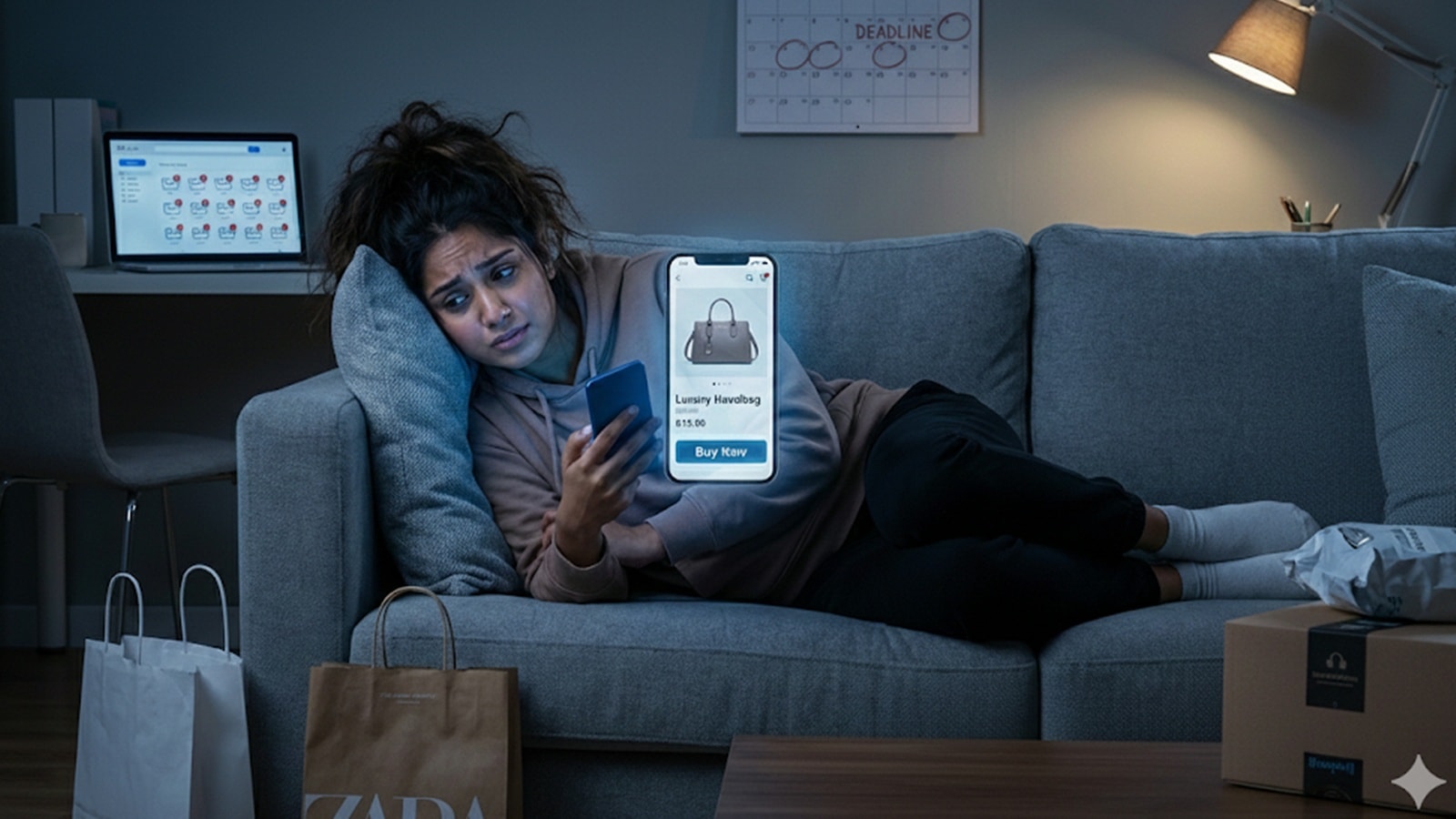
Online shopping is part of everyday life for millions of people. A quick purchase can be convenient, enjoyable, and completely harmless. However, when buying things becomes a repeated response to stress, anxiety, loneliness, boredom, or emotional pain, it may be more than occasional impulse buying. Online shopping compulsion can become a difficult behavioral pattern that affects finances, relationships, emotional health, and daily responsibilities. Recognizing the warning signs early can help a person understand what is really happening and take meaningful steps toward healthier coping.
What Is Online Shopping Compulsion?
Online shopping compulsion refers to a persistent pattern of buying that feels difficult to control, even when the person recognizes negative consequences.
It is important to distinguish this from an occasional impulse purchase. Everyone sometimes buys something unexpectedly. The concern arises when shopping becomes repetitive, emotionally driven, or disruptive.
A person experiencing problematic shopping may know they should stop but continue browsing stores, adding products to their cart, or making purchases. The behavior can provide a temporary sense of excitement or relief, but that feeling may fade quickly.
In some cases, the cycle looks like this:
Emotional discomfort → shopping urge → browsing or buying → temporary relief → guilt or consequences → renewed emotional distress
Over time, shopping can become a learned coping response.
Warning Signs of Compulsive Online Shopping
Recognizing the warning signs is an important part of understanding whether shopping has become problematic. No single behavior automatically means someone has a shopping compulsion. Instead, look for repeated patterns and their impact on everyday life.
Shopping to Manage Difficult Emotions
One of the most significant warning signs is using shopping primarily to change your emotional state.
You may find yourself shopping whenever you feel:
- Stressed
- Anxious
- Lonely
- Sad
- Bored
- Angry
- Overwhelmed
- Insecure about yourself
The purchase may seem to provide an immediate emotional lift. However, if shopping becomes the main way you cope with difficult feelings, it can prevent you from developing healthier strategies for managing those emotions.
Spending More Than You Planned
Another warning sign is consistently exceeding your budget.
You might begin by intending to buy one inexpensive item but end up making several purchases. You may also spend money needed for bills, savings, or other responsibilities.
The issue is not simply how much money someone spends. It is whether spending feels increasingly difficult to control and continues despite known consequences.
Feeling Unable to Stop
A person may recognize that shopping is causing problems and attempt to cut back.
They might delete shopping apps, set spending limits, avoid certain websites, or promise themselves they will not make another unnecessary purchase. Yet the urge returns, sometimes repeatedly.
Repeated difficulty controlling the behavior can be an important signal that additional support may be needed.
Hiding Purchases From Others
Secrecy is another warning sign.
Someone may hide packages, delete purchase confirmations, avoid discussing spending, or give misleading explanations about new items. They may feel embarrassed about how much they are buying.
When a person feels they must hide their shopping behavior, it can indicate that the behavior is creating emotional or relational distress.
Experiencing Guilt After Buying
Compulsive shopping often involves conflicting emotions.
The purchase may initially create excitement, relief, or anticipation. Later, those feelings may be replaced by guilt, regret, shame, or anxiety about money.
If this pattern happens frequently, the emotional consequences can become another trigger for future shopping. The person may then shop again to escape the discomfort created by previous purchases.
Why Does Online Shopping Become So Difficult to Control?
There is no single reason why someone develops problematic shopping behavior. Often, several emotional and psychological factors interact.
Stress and Emotional Overload
Shopping can provide a temporary distraction when life feels overwhelming. Browsing products gives the mind something concrete to focus on, while buying something can create a short-lived sense of reward.
The difficulty comes when this becomes the default response to stress.
Instead of processing emotions or addressing the source of pressure, a person may repeatedly turn to shopping for relief.
Anxiety, Depression, and Other Mental Health Concerns
Problematic shopping can also occur alongside mental health challenges.
Someone experiencing anxiety may shop to distract themselves from persistent worry. Someone struggling with depression may seek excitement or a temporary emotional lift through purchasing.
This does not mean shopping is necessarily the cause of these conditions. Rather, the behavior may become intertwined with emotional difficulties that deserve professional attention.
Loneliness and Low Self-Esteem
For some people, shopping can temporarily create a sense of identity, reward, or control.
Buying new clothing, electronics, cosmetics, or other products may provide a brief feeling of confidence or satisfaction. However, if the underlying loneliness or insecurity remains unresolved, the relief may not last.
Understanding this connection can be an important part of recovery.
How Compulsive Shopping Can Affect Daily Life
The consequences of problematic online shopping often extend beyond a credit card statement.
Financial Stress
Repeated purchases can contribute to debt, missed payments, depleted savings, and financial conflict. Even when individual purchases seem small, frequent spending can accumulate quickly.
Financial stress can then increase anxiety, creating another reason to seek temporary relief through shopping.
Relationship Problems
Partners and family members may become concerned about spending or secrecy. Arguments about money can create resentment and reduce trust.
In some situations, the emotional impact may be greater than the financial cost itself.
Reduced Emotional Well-Being
Compulsive shopping can contribute to guilt, shame, anxiety, frustration, and feelings of losing control.
When a person repeatedly promises themselves they will stop and then returns to the same behavior, confidence can also suffer.
That is why addressing the emotional side of problematic shopping matters.
Practical Steps to Regain Control
Recognizing a problem is important, but practical changes can help interrupt the pattern.
Identify Your Triggers
Start by paying attention to when the urge to shop appears.
Ask yourself:
- What was I feeling before I started browsing?
- Was I trying to escape an uncomfortable emotion?
- Was I bored or lonely?
- Had something stressful happened?
- What did I hope the purchase would change?
Writing down your answers can help reveal recurring patterns.
Add a Waiting Period
Create a rule that nonessential purchases must wait for a specific period before you buy them.
This creates space between the emotional urge and the decision. During that time, ask whether you genuinely need the item or whether you are trying to change how you feel.
Reduce Easy Access
Small environmental changes can make impulsive shopping less automatic.
Consider removing saved payment information, turning off promotional notifications, unsubscribing from marketing emails, deleting shopping apps, and avoiding websites that consistently trigger unnecessary purchases.
These steps do not address the underlying emotional concerns, but they can make it easier to practice self-control while working on deeper issues.
Build New Ways to Cope
If shopping has become an emotional coping mechanism, replacing it with healthier activities is essential.
Depending on your needs, alternatives may include exercise, journaling, prayer, meditation, creative activities, spending time with supportive people, or speaking with a counselor.
The goal is not simply to suppress the urge. It is to develop healthier responses to the emotions that created the urge in the first place.
When Professional Support Makes Sense
You do not have to wait until online shopping creates severe financial or relationship problems before seeking help.
Professional counseling can provide a safe environment to examine the emotional and behavioral patterns connected to compulsive shopping. Treatment can also help identify whether concerns such as anxiety, depression, trauma, chronic stress, or low self-esteem are contributing to the behavior.
Individualized Treatment Matters
There is no single recovery path that works for everyone.
Some individuals may benefit from outpatient counseling while continuing to manage work, family, and other responsibilities. Others may require a more structured inpatient setting because of complex behavioral health or substance use concerns occurring at the same time.
The appropriate level of care should be based on the individual’s circumstances, needs, safety, and treatment goals.
A Holistic Approach Can Address the Whole Person
Effective recovery involves more than changing one behavior. Emotional health, physical well-being, relationships, personal values, and daily routines all influence a person’s ability to make lasting changes.
A holistic approach considers these areas together. For individuals who value spirituality, faith-based support may also be an important part of developing hope, purpose, accountability, and a stronger foundation for recovery.
Asking for Help Is a Strength
Compulsive online shopping is not simply a matter of being irresponsible or lacking willpower. Behavioral patterns can become deeply connected to emotional needs, stress responses, and mental health concerns.
Recognizing the pattern without judgment is an important first step.
If you regularly shop to escape difficult emotions, spend more than you intend, hide purchases, experience significant guilt afterward, or repeatedly try to stop without success, consider talking with a qualified mental health professional. Early support can make it easier to understand the behavior before its consequences become more serious.
Take the Next Step Toward Healthier Choices
Online shopping becomes concerning when it stops feeling like a choice and starts feeling like something you need in order to cope. The solution is not simply to remove every shopping app or promise yourself that you will never make another impulse purchase. Lasting change requires understanding what is happening beneath the behavior.
With individualized mental health and recovery support, you can explore emotional triggers, develop healthier coping skills, strengthen relationships, and address underlying concerns that may be contributing to problematic shopping.
If online shopping is beginning to interfere with your financial stability, emotional health, relationships, or daily life, consider reaching out for professional support. You deserve an approach that looks at the whole person and helps you build healthier ways to manage what you are feeling. Recognizing the warning signs today can be the beginning of a more balanced and intentional future.