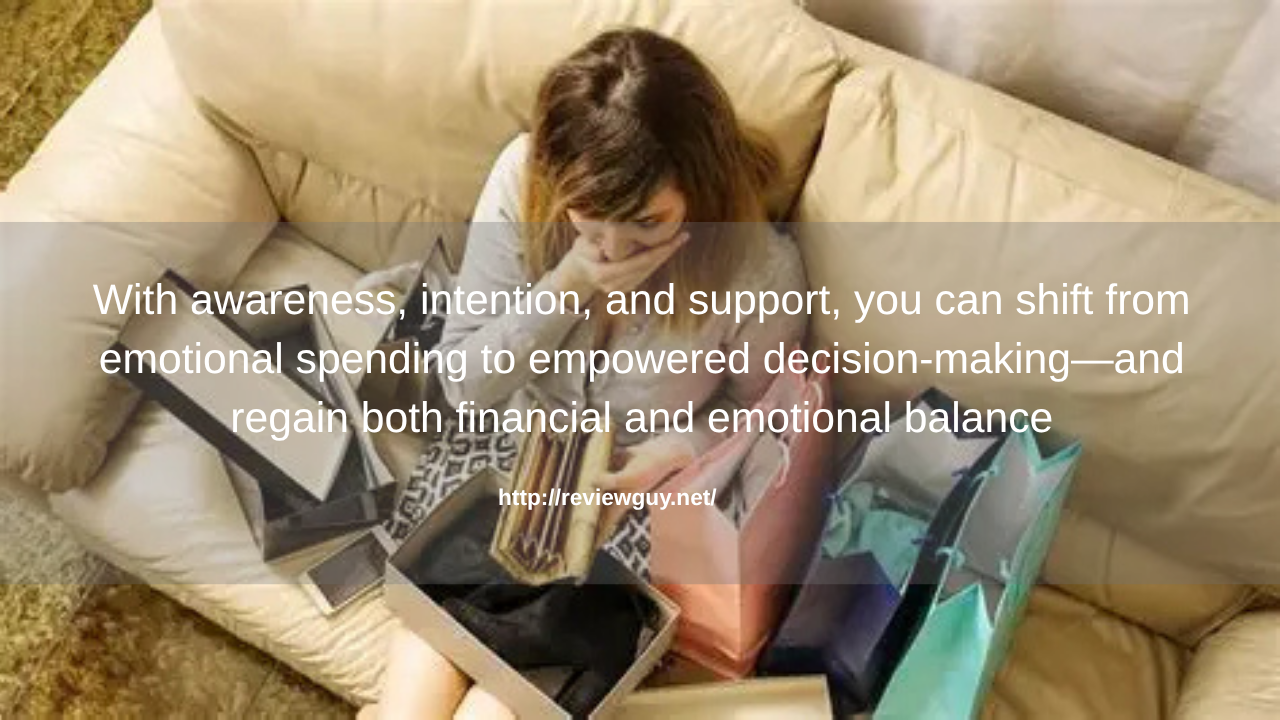
The Digital Dilemma: Tips for Curbing Your Online Shopping Addiction

Online shopping has transformed the way we shop, offering convenience, variety, and endless possibilities. However, for many, this convenience has morphed into a compulsive habit that can lead to financial strain, emotional distress, and feelings of regret. If online shopping has become more of a problem than a pleasure, it’s time to take action. Here are some practical tips to help you curb your online shopping addiction and regain control over your spending habits.

1. Acknowledge the Problem

The first step in addressing any addictive behavior is recognizing it. Take an honest look at your shopping habits. Do you frequently buy items you don’t need or can’t afford? Do you feel compelled to shop when you’re bored, stressed, or upset? Acknowledging that your online shopping is problematic is a vital step toward making a change.

2. Set a Strict Budget

One of the most effective ways to control online shopping is by setting a clear and realistic budget. Determine how much you can allocate to non-essential purchases each month without affecting your essential expenses. Use budgeting apps to monitor your spending, or create a separate bank account for discretionary spending. When you reach your limit, avoid making any further purchases until the next budget cycle.

3. Unsubscribe and Disable Notifications

Retailers use marketing emails, app notifications, and social media ads to entice you with sales, discounts, and promotions. To reduce temptation, unsubscribe from retailer mailing lists, disable shopping app notifications, and use ad blockers to minimize exposure to online ads. Without constant reminders of sales and deals, you’re less likely to make impulse purchases.

4. Implement a Waiting Period

Before making a purchase, adopt a waiting period, such as the 24-hour or 30-day rule. When you feel the urge to buy something, add it to a wish list instead of purchasing it immediately. This delay allows you to evaluate whether the item is a true necessity or just a fleeting desire. Often, you’ll find that the urge to buy fades with time, saving you money and unnecessary clutter.

5. Identify Emotional Triggers

Many online shopping addictions are rooted in emotional triggers such as boredom, stress, loneliness, or a need for instant gratification. Reflect on your emotional state when you feel the urge to shop. Instead of turning to shopping as a coping mechanism, explore healthier alternatives like exercising, journaling, meditating, or spending time with loved ones.

6. Limit Access to Shopping Apps and Websites

Reduce your shopping opportunities by uninstalling shopping apps or blocking access to certain websites. Browser extensions and parental control tools can help you restrict access to online stores during specific times of the day. By creating barriers to impulse shopping, you can prevent unnecessary purchases.

7. Find Accountability

Share your goals with a trusted friend or family member who can help hold you accountable. Discussing your struggles and progress with someone you trust can provide encouragement and perspective. You might also consider joining online support groups or seeking professional advice if your addiction feels unmanageable.

8. Shift Your Focus

Channel your energy into new hobbies or activities that don’t involve shopping. Whether it’s learning a new skill, taking up a creative project, or volunteering, finding alternative ways to spend your time can help you break free from the cycle of compulsive shopping. The more fulfilled you feel in other areas of your life, the less likely you are to rely on shopping for emotional satisfaction.

Conclusion

Overcoming an online shopping addiction is not an overnight process, but it is entirely possible with awareness, commitment, and the right strategies. By acknowledging the problem, setting boundaries, and finding healthier ways to cope with emotions, you can regain control of your spending and enjoy a more balanced relationship with shopping. Remember, the goal isn’t to eliminate shopping altogether but to make it a conscious and intentional activity that aligns with your values and priorities.

From Cart to Heart: Understanding the Psychology Behind Online Shopping Urges

Online shopping has become an integral part of modern life, with millions of people worldwide turning to the internet to purchase everything from groceries to gadgets. While it offers convenience and accessibility, many people find themselves caught in a cycle of impulsive purchases, often feeling regretful after clicking “buy.” But why do we get these urges to shop online, and why are they so powerful? Understanding the psychology behind online shopping urges can help us better manage our behaviors and make more mindful purchasing decisions.

1. Instant Gratification and Dopamine Release

One of the primary psychological drivers behind online shopping urges is the desire for instant gratification. When we make a purchase, our brains release dopamine, the “feel-good” chemical associated with pleasure and reward. This release is immediate and satisfying, giving us a sense of accomplishment or happiness, even if it’s momentary. The process of adding items to a cart, seeing discounts, and completing a purchase taps into our brain’s reward system, making us feel good in the short term.

This immediate gratification can become addictive. The more often we experience this dopamine hit, the more likely we are to engage in impulsive shopping. Over time, the brain begins to associate shopping with happiness, reinforcing the behavior and making it harder to resist future urges.

2. Retail Therapy and Emotional Escapism

Many people shop to cope with negative emotions, a phenomenon often referred to as “retail therapy.” The act of shopping, especially online, can serve as an emotional escape from stress, anxiety, sadness, or boredom. The convenience of shopping from home allows individuals to distance themselves from the immediate source of their emotions while temporarily distracting themselves with a new purchase.

Online shopping can be particularly appealing for emotional escapism, as it provides an easy way to access new items that promise to bring joy, even if just for a moment. While this can provide a temporary emotional lift, the relief is often short-lived, leading to repeated shopping urges as a way to manage or avoid negative feelings.

3. Fear of Missing Out (FOMO) and Scarcity

The fear of missing out (FOMO) plays a crucial role in online shopping behavior. Retailers use psychological tactics like limited-time offers, flash sales, and low-stock notifications to create a sense of urgency. These techniques trigger a fear of missing out on a good deal, prompting shoppers to make a purchase they might not otherwise consider.

Our innate fear of scarcity—rooted in our evolutionary need to secure resources—can make us feel compelled to act quickly when we perceive a limited opportunity. Whether it’s a limited-edition item or a time-sensitive discount, this fear pushes us to act impulsively and make purchases before it’s “too late.”

4. Social Influence and Consumer Culture

Social influence is another powerful psychological factor in online shopping. Social media platforms, influencers, and advertising bombard us with images of products that promise to enhance our lives, from beauty items to fashion trends. This constant exposure creates a sense of social pressure to keep up with trends and purchase items that align with what others are buying.

Moreover, the concept of “social proof” – the tendency to follow the actions of others – is highly effective in online shopping. Seeing that others are buying, commenting on, or endorsing a product can influence us to make a purchase, even if we don’t need the item. This aligns with our desire for belonging and fitting into social circles, often driving purchases we hadn’t initially considered.

5. Ease and Accessibility of Online Shopping

The convenience of online shopping also plays a significant role in fostering impulsive buying behavior. Unlike traditional shopping, which involves travel time, store hours, and physical crowds, online shopping is accessible 24/7 from the comfort of home. Retailers use personalized recommendations and easy payment options, such as one-click purchases or saved payment methods, to reduce friction and make it easier for us to buy on impulse.

The simplicity and ease of online shopping create an environment where it becomes effortless to shop, often with little to no consideration of the long-term consequences.

Conclusion

The psychology behind online shopping urges is multifaceted and influenced by a combination of emotional, cognitive, and social factors. From the instant gratification of a dopamine release to the impact of social influence and FOMO, understanding why we feel compelled to shop online can help us recognize the psychological triggers that drive our behavior. By becoming more aware of these underlying mechanisms, we can make more informed and mindful purchasing decisions, ultimately regaining control over our shopping habits.

Breaking the Cycle: Strategies to Control Online Shopping Impulses

In our increasingly digital world, online shopping has become more than just a convenient way to purchase goods; for many, it has evolved into a source of stress relief and instant gratification. The thrill of finding a deal, the ease of clicking “buy,” and the excitement of waiting for a package can create a cycle of impulsive behavior that is difficult to break. If you find yourself frequently overspending or regretting purchases, it’s essential to take proactive steps to regain control. Here are several strategies to help you manage online shopping impulses effectively.

1. Identify Triggers

The first step in breaking the cycle of impulsive online shopping is to identify the triggers that lead to these urges. Is it boredom, stress, or emotional lows that prompt you to shop online? Keeping a journal can help you track your feelings and behaviors associated with online shopping. Once you identify your triggers, you can develop healthier coping mechanisms. For example, if stress is a trigger, consider practicing mindfulness, engaging in physical activity, or talking to a friend instead of resorting to shopping.

2. Set a Budget

Creating a budget specifically for discretionary spending can be an effective way to manage your online shopping habits. Determine how much you can afford to spend each month without affecting your essential expenses. Once you set this limit, stick to it. You can also create separate accounts or use budgeting apps to keep your shopping budget distinct from your regular finances. By visualizing your spending limits, you may think twice before making impulsive purchases.

3. Unsubscribe from Marketing Emails

Online retailers often entice consumers with targeted marketing strategies, including promotional emails and notifications about sales. While these may seem harmless, they can trigger impulsive shopping behavior. Take a moment to unsubscribe from these email lists and disable app notifications from shopping platforms. By reducing exposure to tempting offers, you can decrease the likelihood of impulse purchases.

4. Implement a 24-Hour Rule

To help curb impulse buying, consider implementing a 24-hour rule before making any non-essential purchases. When you feel the urge to buy something, take a step back and wait for a day. This cooling-off period allows you to evaluate whether the purchase is truly necessary or just a fleeting desire. Often, you may find that the urge dissipates over time, saving you both money and regret.

5. Find Alternative Activities

If online shopping has become a default activity for you during free time, it’s crucial to find healthier alternatives. Consider exploring new hobbies, engaging in physical exercise, reading, or spending time with friends and family. By filling your time with fulfilling activities, you can reduce the urge to shop out of boredom or habit.

6. Seek Support

Sometimes, breaking the cycle of impulsive shopping requires external support. Consider discussing your struggles with trusted friends or family members. They can provide accountability and encouragement as you work to manage your impulses. Additionally, support groups, both in-person and online, can offer valuable insights and shared experiences from others facing similar challenges.

Conclusion

Managing online shopping urges is a journey that requires self-awareness, discipline, and the willingness to change habits. By identifying triggers, setting budgets, and implementing practical strategies like the 24-hour rule, you can take meaningful steps toward breaking the cycle of impulsive online shopping. Remember that it’s okay to seek support along the way. By regaining control, you can enjoy a more balanced approach to shopping that prioritizes your well-being and financial health.

How to Manage Impulsive Online Shopping

In today’s digital age, the ease of online shopping can be both a convenience and a challenge. The thrill of a quick purchase, combined with the constant barrage of promotions and deals, can make it difficult to control impulsive spending. If you find yourself frequently succumbing to the temptation of online shopping, you’re not alone. Fortunately, there are effective strategies to help manage these urges and maintain financial stability.

1. Set Clear Budget Limits

One of the most effective ways to curb impulsive online shopping is to establish a clear budget. Determine how much money you can afford to spend each month on discretionary items and stick to it. This budget should be realistic and include all your essential expenses, such as bills and savings. By setting these limits, you create a structured approach to managing your finances, making it easier to resist impulsive buys.

2. Create a Shopping List and Stick to It

Before making any online purchases, compile a detailed shopping list of the items you truly need. This list should be based on careful consideration of your needs and priorities. By focusing only on items on your list, you reduce the likelihood of spontaneous purchases driven by emotional or marketing triggers. Additionally, take time to review your list periodically to ensure it aligns with your current needs and financial goals.

3. Implement a Waiting Period

Impulse purchases are often driven by immediate gratification. To counteract this, implement a waiting period before finalizing any purchase. For instance, commit to waiting 24 hours before making a decision on a non-essential item. This pause allows you time to reflect on whether the purchase is necessary and if it aligns with your budget. Often, the urge to buy will diminish with time, helping you make more considered decisions.

4. Unsubscribe from Marketing Emails and Notifications

Marketing strategies are designed to trigger impulsive buying behavior. Constant emails, notifications, and advertisements can make it difficult to resist the temptation to shop. Combat this by unsubscribing from promotional emails and turning off notifications from shopping apps. By reducing your exposure to these marketing tactics, you decrease the likelihood of impulse purchases and can focus on your budget and priorities.

5. Use Technology to Your Advantage

There are several tools and apps designed to help you manage your spending and avoid impulsive purchases. Budgeting apps can track your expenses and remind you of your financial limits. Additionally, consider using browser extensions that block or alert you to online deals and sales. These tools can help you stay within your budget and reduce the impact of marketing strategies designed to encourage impulsive buying.

6. Practice Mindful Spending

Mindful spending involves being aware of your emotions and motivations when shopping. Take a moment to assess why you want to make a purchase and how it fits into your financial goals. Are you shopping out of boredom, stress, or habit? By understanding your triggers and motivations, you can make more conscious decisions and avoid purchasing items you don’t need.

7. Seek Support and Accountability

Sometimes, managing impulsive shopping requires external support. Share your goals with a trusted friend or family member who can provide encouragement and accountability. Discussing your challenges and progress with someone who understands your situation can offer valuable perspective and help you stay on track.

In conclusion, managing impulsive online shopping requires a combination of practical strategies and self-awareness. By setting clear budgets, creating shopping lists, implementing waiting periods, and leveraging technology, you can take control of your spending habits. Practicing mindful spending and seeking support when needed can further strengthen your ability to manage urges effectively. With these strategies, you can enjoy the benefits of online shopping without compromising your financial well-being.

Controlling Online Shopping Habits

controlling online shopping tendenciesIf you love online shopping but feel like it is controlling you rather than you controlling it, here is some advice about how to bring your online shopping addiction under control. It is not uncommon for people to get carried away while they are shopping online. The convenience of ordering items without ever leaving the house mixed with the exhilaration of finding bargain deals gives some people a high that keeps them coming back for more. Often times, shopping addicts can be found in economically prosperous locations, such as shopping substance abuse Edmonton, Montreal or Vancouver. This can become harmful if you let it run away with you. In order to keep yourself in check, follow these simple guidelines:

  • Set boundaries. The most necessary part of managing a compulsion to shop is by predetermining boundaries. Decide in advance how much you are willing and able to spend. Decide how much time, to the minute, you are willing and able to give your online shopping. And decide how much energy you want to put into online shopping verses other meaningful activities. Be mindful of where you drew boundaries and respect them.
  • Create and follow a budget. Any endeavor that requires spending money should be entered into with a financial plan in place. The creation of a budget is essential to responsible spending. One must always be conscious of where their money is going and prepared to handle their finances responsibly. By creating and following a budget for their online spending, a person is committing to objective, logical consumerism that is fiscally mature and responsible.
  • Stay busy. One of the best ways to prevent overspending on online shopping is by staying occupied so as to distract yourself from online shopping excursions. This may seem silly to some, but a shopping compulsion can be very serious, wreaking havoc on your finances, relationships and reputation. Online shopping binges usually happen when someone is bored and has nothing better to do, so rather than put yourself in this situation, fill your schedule with meaningful, financially responsible activities.

Crazy About Online Shopping

crazy about online shoppingOnline shopping has been a positive advancement in many people’s lives. Online shopping saves people the stress of going to congested stores to purchase the items they need. Instead, they are able to order them from the comfort of their living rooms. However, there are some drawbacks to online shopping as well, not the least of which being that it is somewhat addictive. Shopping has always had addictive qualities to certain types of people, and online shopping is no different. It can become a completely compulsive behavior to browse favorite shopping sites in search of deals and dream items.

There is something about online shopping vs in-person shopping that makes people feel more secure. Perhaps because the old associations of physically being in a store and observing a cart full of items are over. Or perhaps because online shopping can be done in private and shoppers feel less accountable for their decisions. Whatever the reason, online shopping compulsions can be even more out of control than in-person shopping compulsions. It is fine to enjoy online shopping, but if your shopping behavior becomes out of control, it is time to get yourself in check.

If one is judicial, they can usually identify this behavior in themselves. If you find yourself thinking about online shopping when you are away from the computer, or if your focus on online shopping is interfering with the rest of your life, or if you experiencing financial problems due to your online spending habits, it is time to reconsider your behavior. Interests can turn into obsessions more easily than many people realize. It is very important to your well-being that you do not lose control of your online spending. People have destroyed their finances by being capricious about their online spending habits and shopping beyond their means. Do not let this unfortunate situation happen to you!

Shopping Online

online shoppingOnline shopping is a relatively recent phenomenon. It emerged as the internet became mainstream and people began to realize what they could do with the internet in regards to business ventures. At first, online shopping was merely an experiment – a bold new endeavor that few businesses were willing to jump directly into. But over time, as retailers observed how popular and convenient online shopping was becoming, transitioning their products to online purchasing options became all the rage. In the present time, there are very few businesses that do not have their merchandise available for purchase online. The most popular online shopping websites are Amazon, Craigslist and Ebay.

Amazon is currently the largest online retailer supplying products of all varieties from their manufacturers. Amazon literally carries anything you could buy in a store for purchase that is able to be shipped. Items for sale range from clothing to party supplies to electronics to sporting goods, and much, much more. Amazon is the preferred site for people who prefer to buy new but appreciate a bargain.

Craigslist is a favorite site for those who like to buy used items. By category, Craigslist is a site for classified ads, but the online shopping option is very popular. Because it is a site for classified ads, the merchandise advertised may go far beyond items that can be shipped. The largest types of purchases are advertised on Craigslist, such as real estate and automobiles, but there is also an extensive section devoted to the purchase of smaller, used items.

Ebay is another widely popular online shopping website. This site makes use of no manufacturer’s items but instead gives individuals an online venue in which to sell their personal items through bidding and private shipping. There is no other site where people can find as wide a variety of merchandise for as low of prices.

Online Shopping Craze

crazy about online shoppingOnline shopping is a recent phenomenon that exploded when the internet became a sensation. It began with websites such as Amazon, Ebay and Craigslist, which still maintain their popularity among online shoppers. When other retailers saw the success these online shopping hubs were happening, a vast majority of them made their merchandise available for purchase online as well. Now the internet offers millions of online shopping options that allow shoppers to receive the goods they purchase without ever having to leave their homes. Online shopping is a major new reality for consumers and retailers alike, but it is not always a well-managed one. Just like shopping in a physical store, shoppers can easily lose track of how much they are buying and soar past their budget limits.

People who routinely overspend on online purchases are identified as having an online shopping addiction. This is by no means a recent problem. Since the day shopping became a common activity, there have been those who use it as a stress release and become obsessed with it. Now that shopping opportunities have gone digital, the addiction has followed into the digital world. One particularly difficult thing to manage when it comes to online shopping is understanding how many items you have committed to as a shopper without the physical items in front of you, serving as a visual understanding. Many people overspend because items in cyberspace do not impress financial consequences on shoppers the way that physical items in a cart do. People can easily go hundreds of dollars over budget in online spending without even being aware of it.

Bringing your online shopping addiction under control requires discipline, but it is entirely possible. Creating a shopping list and a budget for yourself prior to shopping online is essential. This simple step of planning ahead  – determining which purchases are necessary and which are not, and making yourself aware of how much you are able to spend – can make all the difference to your shopping addiction. Do not be taken by surprise at another credit card bill. Change your online shopping habits today!