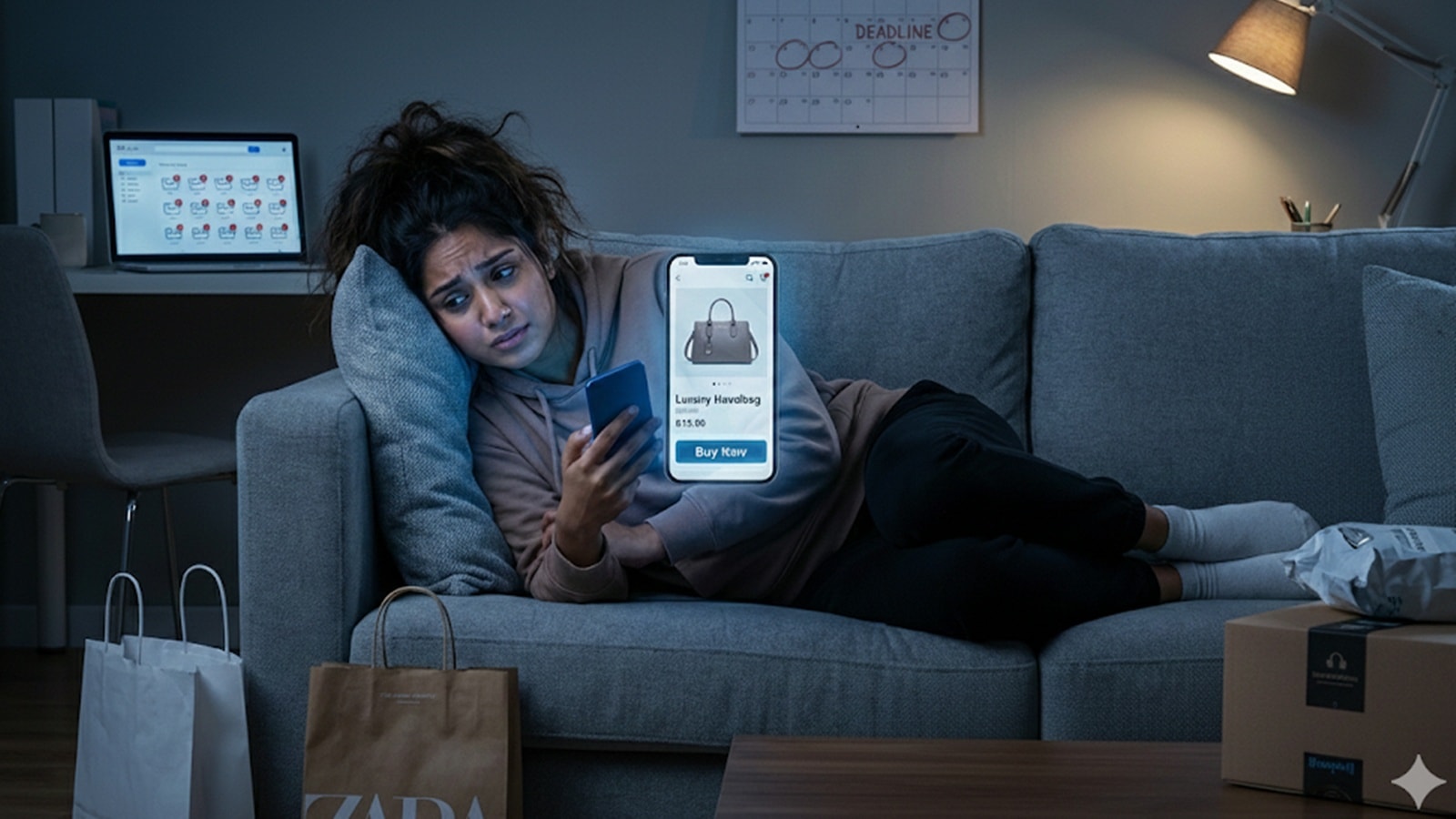
Beyond the Cart: Recognizing When Online Shopping Becomes a Compulsion

Online shopping has transformed the way we live. With a few clicks, you can order clothing, electronics, or household items without leaving your home. While convenient for most, online shopping can become more than a habit for some individuals. When buying becomes a way to manage stress, anxiety, or negative emotions, it may develop into a compulsive behavior. Recognizing when online shopping crosses the line from habit to compulsion is crucial for maintaining emotional health, financial stability, and healthy relationships.

Understanding Online Shopping Compulsion

Online shopping compulsion is a behavioral addiction in which the urge to purchase overrides reason and necessity. Unlike casual shopping, which serves practical needs or occasional enjoyment, compulsive buying is driven by emotions. The temporary relief or satisfaction gained from a purchase can reinforce the behavior, creating a cycle of repeated spending and emotional distress.

Signs of Compulsive Online Shopping

Identifying compulsive shopping patterns is the first step toward change. Common indicators include:

  • Frequently making unplanned purchases
  • Spending significant time browsing online stores or hunting deals
  • Using shopping to cope with stress, anxiety, boredom, or sadness
  • Feeling guilt, shame, or anxiety after purchases
  • Hiding purchases or lying about spending from friends and family
  • Experiencing financial strain due to excessive shopping

Recognizing these signs is not about blame. It is about understanding emotional triggers and taking steps toward healthier coping strategies.

The Emotional and Mental Health Impact

Compulsive online shopping can take a serious toll on mental health. Many individuals report increased anxiety, guilt, and low self-esteem linked to their spending habits. Over time, these behaviors can contribute to depression, chronic stress, and emotional exhaustion. While shopping may provide temporary relief, it does not address the underlying emotional needs, which can perpetuate the cycle of compulsive behavior.

Effects on Relationships

Beyond individual emotional health, compulsive buying can affect personal relationships. Financial stress, secrecy, and disagreements about spending habits can erode trust and create tension with partners, family, and friends. Addressing compulsive shopping is essential not only for personal well-being but also for maintaining supportive and healthy relationships.

Practical Strategies to Regain Control

Breaking free from online shopping compulsion requires awareness, structure, and support. Here are practical strategies backed by behavioral health insights:

1. Track Spending and Emotional Triggers

Keeping a journal of purchases and noting the emotions that lead to shopping can help identify patterns. Understanding what triggers compulsive behavior is the first step toward intentional change.

2. Set Boundaries

Limit access to online stores by unsubscribing from promotional emails, removing saved payment information, and creating clear spending limits. Boundaries reduce the likelihood of impulsive purchases.

3. Develop Healthy Coping Strategies

Replace shopping with alternative ways to manage stress and emotions. Exercise, mindfulness practices, creative hobbies, and connecting with supportive friends or family can provide emotional relief without financial consequences.

4. Seek Professional Support

Addiction recovery specialists and mental health professionals offer guidance, structure, and accountability. Inpatient and outpatient programs provide individualized care plans that address both compulsive behavior and underlying emotional challenges.

5. Explore Holistic and Faith-Based Approaches

Holistic therapies and faith-based support can enhance traditional treatment. Counseling, mindfulness, spiritual guidance, and meditation strengthen emotional resilience and support sustainable recovery.

Moving Toward Lasting Recovery

Recovery from compulsive online shopping is about more than controlling spending. It is about understanding emotional triggers, building healthier coping mechanisms, and restoring balance in daily life. Compassionate, professional support can provide the tools and guidance necessary to break the cycle, improve mental health, and strengthen relationships.

Take the First Step

If online shopping has become a source of stress, guilt, or financial strain, help is available. Addiction recovery services, mental health treatment, and individualized care plans offer the support needed to regain control and develop healthier habits. By taking the first step and reaching out for professional guidance, you can overcome compulsive buying, achieve emotional well-being, and restore balance in your life. Recovery is possible, and support is within reach.

When Retail Therapy Turns Risky: How to Regain Control Over Compulsive Online Spending

Online shopping has become a convenient and enjoyable part of modern life. From browsing the latest trends to finding exclusive deals, a few clicks can bring almost anything to your doorstep. For most people, this activity is harmless. For others, however, it can evolve into compulsive online spending that affects mental health, finances, and relationships. When shopping becomes a way to manage stress or negative emotions, it is essential to recognize the signs and take proactive steps toward recovery.

Understanding Compulsive Online Spending

Compulsive online spending is a behavioral pattern in which the urge to buy overrides reason and necessity. Unlike casual shopping, this behavior is driven by emotions rather than practical needs. The temporary satisfaction gained from a purchase can reinforce the behavior, creating a repetitive cycle of spending, guilt, and anxiety.

Signs You May Be Struggling

Identifying compulsive online shopping is the first step in recovery. Common indicators include:

  • Frequently making unplanned purchases without financial consideration
  • Spending excessive time browsing online stores or seeking deals
  • Using shopping as a way to cope with stress, sadness, or boredom
  • Feeling guilt, shame, or anxiety after purchases
  • Hiding purchases or spending habits from family or friends
  • Experiencing financial difficulties as a result of online shopping

Recognizing these behaviors is not about blame. It is about understanding emotional triggers and taking steps toward healthier patterns.

The Emotional Toll of Compulsive Shopping

Compulsive online spending can have a significant impact on emotional and mental health. Many individuals experience increased anxiety, guilt, and low self-esteem due to their spending habits. Over time, these feelings may contribute to depression or heightened stress. Shopping provides temporary relief, but it does not address the underlying emotional needs driving the behavior.

Effects on Relationships

Financial strain and secrecy often affect relationships with partners, family, and friends. Conflicts about spending can erode trust and create emotional distance. Addressing compulsive spending is important for both personal well-being and the health of relationships.

Practical Strategies to Regain Control

Breaking free from compulsive online spending requires awareness, structure, and professional support. Behavioral health research offers several strategies to help individuals regain control:

1. Track Spending and Identify Triggers

Maintaining a journal of purchases and noting the emotions that lead to shopping can reveal patterns and help identify triggers. Awareness is the first step toward intentional change.

2. Set Boundaries

Limit access to online stores by unsubscribing from promotional emails, removing stored payment information, and creating clear spending limits. Boundaries reduce the likelihood of impulsive purchases.

3. Develop Healthy Coping Mechanisms

Replace shopping with alternative strategies to manage stress and negative emotions. Exercise, mindfulness, creative activities, and connecting with supportive friends can provide emotional relief without financial consequences.

4. Seek Professional Support

Addiction recovery and mental health professionals provide structured guidance, accountability, and personalized care. Inpatient and outpatient programs offer tailored treatment plans that address both compulsive behaviors and underlying emotional challenges.

5. Incorporate Holistic and Faith-Based Approaches

Holistic therapies and faith-based support can complement traditional treatment. Mindfulness, counseling, spiritual guidance, and meditation strengthen emotional resilience and foster long-term recovery.

Moving Toward Sustainable Recovery

Recovery from compulsive online shopping is about balance, self-awareness, and support. The goal is not to eliminate online shopping entirely but to make intentional decisions, address emotional triggers, and establish sustainable coping strategies. Professional guidance and holistic care provide the tools necessary to regain control and improve both mental health and relationships.

Take the First Step

If online shopping has become a source of stress, guilt, or financial strain, help is available. Addiction recovery services, mental health treatment, and individualized care plans offer the support needed to break the cycle. By taking the first step and reaching out for professional guidance, you can regain control, develop healthier coping strategies, and achieve lasting emotional well-being. Recovery is possible, and support is within reach.

The Hidden Costs of Clicks: Understanding the Emotional Toll of Compulsive Buying

Online shopping has made it easier than ever to purchase items with just a few clicks. For most people, this convenience is harmless and often enjoyable. However, for some, online shopping can become a compulsive behavior with serious emotional and psychological consequences. When buying becomes a way to cope with stress, anxiety, or negative emotions, it can affect mental health, finances, and relationships. Recognizing the emotional toll of compulsive buying is the first step toward recovery and regaining control.

What Is Compulsive Buying

Compulsive buying is a behavioral pattern in which the urge to shop repeatedly overrides reason and necessity. Unlike typical shopping habits, it is driven by emotional needs rather than practical considerations. The temporary pleasure or relief from making a purchase reinforces the behavior, creating a cycle of repeated spending and emotional distress.

Signs of Compulsive Buying

Understanding the signs of compulsive buying is crucial for identifying when shopping has become a problem. Some common indicators include:

  • Spending excessive time browsing online stores or searching for deals
  • Frequently making unplanned purchases
  • Shopping to relieve stress, anxiety, or boredom
  • Feeling guilt, shame, or regret after purchases
  • Hiding spending habits from friends or family
  • Experiencing financial strain as a result of frequent buying

Recognizing these patterns is not about assigning blame. It is about identifying behaviors that may indicate a need for support and healthier coping strategies.

The Emotional Impact of Compulsive Buying

Compulsive buying can significantly affect mental health. Many individuals experience increased anxiety, guilt, and shame related to their spending habits. Over time, these behaviors can contribute to depression, stress, and low self-esteem. The temporary relief gained from shopping does not address underlying emotional issues, which can create a repetitive cycle that is difficult to break alone.

Effects on Relationships

Financial stress, secrecy, and conflict related to compulsive buying can strain relationships with partners, family, and friends. Misunderstandings and disagreements about spending habits can reduce trust and create emotional distance. Addressing compulsive buying is essential not only for personal well-being but also for maintaining healthy, supportive relationships.

Strategies for Regaining Control

Breaking free from compulsive buying requires awareness, structure, and professional support. Behavioral health insights offer practical strategies to manage and reduce compulsive shopping behaviors:

1. Track Spending and Emotional Triggers

Keeping a journal of purchases and noting the emotions that lead to shopping can help identify patterns. Awareness of triggers is a key step toward creating intentional change.

2. Establish Boundaries

Set limits on online shopping by unsubscribing from promotional emails, removing stored payment information, and creating clear spending limits. Boundaries help prevent impulsive purchases.

3. Develop Healthy Coping Mechanisms

Replace shopping with positive ways to manage stress and emotions. Exercise, mindfulness, creative activities, and connecting with supportive friends or family can provide relief without the negative consequences of compulsive buying.

4. Seek Professional Support

Addiction recovery services and mental health professionals provide structured guidance and accountability. Inpatient and outpatient programs offer individualized care plans that address both compulsive behavior and underlying emotional challenges.

5. Incorporate Holistic and Faith-Based Support

Holistic therapies and faith-based approaches can complement traditional treatment. Mindfulness, counseling, spiritual guidance, and meditation strengthen emotional resilience and foster long-term recovery.

Moving Toward Lasting Recovery

Recovery from compulsive buying is about more than controlling spending. It involves understanding emotional triggers, building healthier coping strategies, and restoring balance in daily life. Professional support, structured programs, and holistic care provide the tools and guidance needed to break the cycle and achieve emotional well-being.

Take the First Step

If compulsive online shopping is affecting your mental health, relationships, or finances, support is available. Addiction recovery services, mental health treatment, and individualized care plans can help you regain control and develop healthier habits. Recovery is possible, and compassionate, professional guidance can help transform the temporary relief of shopping into lasting emotional wellness. Reach out today to take the first step toward a balanced and healthy life.

Breaking Free from Online Shopping Addiction: Practical Tips for Recovery

Online shopping is a part of everyday life for millions of people. It offers convenience, variety, and instant gratification. For most, it is harmless. For others, it can develop into an addictive behavior that affects emotional well-being, finances, and relationships. When shopping becomes a way to cope with stress, anxiety, or negative emotions, it may be time to seek help. Understanding the signs of online shopping addiction and taking practical steps toward recovery can help you regain control and build healthier habits.

What Is Online Shopping Addiction

Online shopping addiction is a behavioral addiction characterized by an uncontrollable urge to purchase items online. Unlike regular shopping, this behavior is driven by emotional needs rather than necessity. The temporary pleasure or relief gained from a purchase reinforces the behavior, creating a cycle of repeated spending, guilt, and emotional distress.

Signs of Compulsive Online Buying

Recognizing the signs of online shopping addiction is the first step in recovery. Common indicators include:

  • Spending excessive time browsing online stores
  • Frequently making unplanned purchases
  • Shopping to cope with stress, sadness, or boredom
  • Feeling guilt, shame, or anxiety after buying
  • Hiding purchases or lying about spending habits
  • Experiencing financial strain due to repeated purchases

Identifying these behaviors is not about blame. It is about understanding the emotional patterns behind the addiction and knowing when to seek support.

How Online Shopping Addiction Affects Mental Health

Compulsive online buying can have significant consequences on emotional well-being. Many individuals experience increased anxiety, depression, and low self-esteem as a result of their spending habits. The temporary relief provided by shopping does not address the underlying emotional issues, which can lead to a cycle of stress and continued compulsive behavior.

Effects on Relationships

Addiction to online shopping often impacts relationships with partners, family, and friends. Financial stress, secrecy, and disagreements over spending can create tension and reduce trust. Addressing compulsive shopping is not only about personal well-being but also about restoring healthy, supportive relationships.

Practical Tips for Recovery

Recovery from online shopping addiction is possible with awareness, structure, and professional guidance. Here are practical strategies:

1. Track Your Spending and Triggers

Keeping a journal of your purchases and noting the emotions that lead to shopping helps identify patterns. Understanding what triggers compulsive behavior is the first step toward change.

2. Set Clear Boundaries

Limit access to online stores by unsubscribing from promotional emails, removing saved payment information, and establishing spending limits. Setting boundaries reduces impulsive buying.

3. Develop Healthy Coping Mechanisms

Replace shopping with positive ways to manage stress and emotions. Exercise, meditation, creative activities, or connecting with supportive friends can provide relief without financial consequences.

4. Seek Professional Support

Addiction recovery and mental health specialists can provide guidance, structure, and accountability. Inpatient and outpatient programs offer individualized care plans that address both the behavior and underlying emotional challenges.

5. Explore Holistic and Faith-Based Approaches

Holistic therapies and faith-based support can enhance recovery. Mindfulness practices, counseling, and spiritual guidance build emotional resilience and promote long-term well-being.

Moving Toward Lasting Recovery

Breaking free from online shopping addiction is not about avoiding online shopping entirely. It is about regaining balance, making intentional choices, and addressing the emotional triggers driving compulsive behavior. Compassionate, professional support can help individuals develop healthier habits and sustainable coping strategies.

Take the First Step

If online shopping has become a source of stress, guilt, or financial strain, help is available. Addiction recovery services, mental health treatment, and individualized care plans offer the support needed to break the cycle. By taking the first step and reaching out for professional guidance, you can regain control, improve emotional well-being, and restore healthy relationships. Recovery is possible, and support is within reach.

From Cart to Crisis: How Compulsive Online Buying Affects Your Mental Health

Online shopping has become a part of daily life for millions. The convenience of browsing, adding items to a cart, and completing a purchase in seconds can feel rewarding. For most people, this is harmless. For others, however, online shopping can evolve into a compulsive behavior that affects emotional well-being, finances, and relationships. Understanding how compulsive online buying impacts mental health is essential for recognizing the problem and seeking the right support.

What Is Compulsive Online Buying

Compulsive online buying is a behavioral pattern where the urge to shop repeatedly overrides reason and necessity. It is often driven by emotional needs rather than practical ones. Temporary satisfaction or relief reinforces the behavior, creating a cycle that can be difficult to break.

Signs of Compulsive Online Buying

Identifying compulsive online shopping is the first step toward addressing it. Some common signs include:

  • Spending excessive time browsing online stores
  • Making unplanned purchases frequently
  • Shopping to relieve stress, sadness, or anxiety
  • Feeling guilt, shame, or regret after buying
  • Hiding purchases or lying about spending to others
  • Experiencing financial strain due to repeated purchases

Recognizing these patterns is not a sign of weakness. It is an important step toward understanding the emotional triggers behind the behavior.

The Emotional and Mental Health Impact

Compulsive online buying can take a significant toll on mental health. Many individuals experience increased anxiety, guilt, and shame. Over time, these feelings can contribute to depression, stress, and lower self-esteem. The temporary relief provided by shopping does not address the underlying emotional needs and can create a repetitive cycle of emotional distress.

Effects on Relationships

Financial strain and secrecy often affect personal relationships. Conflicts may arise with partners, family, or friends due to overspending or dishonesty. The stress from these conflicts can further exacerbate mental health challenges, creating a cycle that is difficult to manage without support.

Practical Strategies to Regain Control

Behavioral health research provides several practical strategies for addressing compulsive online buying:

1. Increase Awareness

Keeping a journal of purchases, emotional triggers, and spending habits helps identify patterns. Awareness is the first step toward making intentional changes.

2. Set Boundaries

Limit online shopping by unsubscribing from promotional emails, removing stored payment information, and establishing clear spending limits. Creating these barriers reduces the likelihood of impulsive purchases.

3. Build Healthy Coping Mechanisms

Develop alternative strategies to manage stress and negative emotions. Exercise, mindfulness, creative hobbies, and social connection can provide emotional relief without financial consequences.

4. Seek Professional Support

Addiction recovery specialists and mental health professionals offer guidance, structured support, and accountability. Inpatient and outpatient programs provide individualized care plans tailored to personal needs, addressing both compulsive behaviors and underlying emotional challenges.

5. Explore Holistic and Faith-Based Approaches

Holistic therapies and faith-based support can complement traditional treatment. Mindfulness, meditation, counseling, and spiritual guidance strengthen emotional resilience and foster long-term recovery.

Moving From Awareness to Action

Recovery from compulsive online buying is possible. The goal is not to eliminate online shopping entirely but to regain balance, make intentional choices, and address the emotional triggers driving compulsive behavior. With professional support, structured treatment, and holistic care, it is possible to break the cycle and improve both mental health and relationships.

Take the First Step

If online shopping has become more than a habit and is affecting your mental health, relationships, or finances, you are not alone. Compassionate, professional support is available through addiction recovery services, mental health treatment, and individualized care plans. By taking the first step and reaching out for help, you can regain control, develop healthier coping strategies, and achieve lasting emotional well-being. Recovery is possible, and support is within reach.

Caught in the Click: Recognizing When Online Shopping Becomes Compulsive

Online shopping is convenient, fast, and often entertaining. From browsing the latest fashion trends to finding a deal on electronics, a few clicks can satisfy immediate wants and needs. For most people, this is harmless. For others, however, what begins as casual shopping can develop into compulsive behavior. When online purchases become a coping mechanism for stress, anxiety, or loneliness, they can start affecting emotional health, finances, and relationships. Recognizing the signs of compulsive online shopping is the first step toward regaining control and seeking support.

What Is Compulsive Online Shopping

Compulsive online shopping is a behavioral pattern in which the urge to make purchases overrides rational decision making. Unlike casual shopping, this behavior is driven by emotional triggers rather than necessity. Individuals may feel a temporary sense of relief or excitement after a purchase, which reinforces the behavior and can lead to a cycle of repeated spending, guilt, and attempts to regain control.

Key Indicators of Compulsive Shopping

Understanding the signs of compulsive online shopping helps individuals identify when their habits may be harmful. Common indicators include:

  • Preoccupation with online stores, sales, or promotions
  • Frequent unplanned purchases without financial consideration
  • Shopping as a response to stress, sadness, or boredom
  • Hiding purchases or lying about spending habits
  • Experiencing financial stress or relationship tension as a result of buying

Recognizing these behaviors is not about blame. It is about identifying patterns that indicate the need for support and healthier coping strategies.

How Compulsive Online Shopping Impacts Mental Health

Compulsive online shopping can take a toll on emotional and mental well being. Individuals often experience guilt, shame, and anxiety related to their spending habits. Over time, this behavior can exacerbate conditions such as depression and stress. Mental health is closely intertwined with behavioral patterns, making professional support an important part of recovery.

Effects on Relationships

Compulsive shopping can also strain relationships with partners, family, and friends. Financial stress, secrecy, and disagreements about spending habits can lead to conflicts and emotional distance. Understanding these relational impacts is crucial for developing healthier habits and rebuilding trust.

Strategies for Regaining Control

Breaking free from compulsive online shopping requires both awareness and actionable strategies. Behavioral health insights provide several practical approaches:

1. Track Spending and Triggers

Maintaining a journal of purchases, triggers, and emotional states helps identify patterns that drive compulsive behavior. Awareness is the first step toward meaningful change.

2. Establish Boundaries

Set limits on spending, unsubscribe from promotional emails, and consider removing saved payment information. Creating these boundaries helps reduce impulse purchases.

3. Develop Healthy Coping Mechanisms

Replace shopping with alternative ways to manage stress and negative emotions. Exercise, mindfulness, creative hobbies, and supportive social connections can provide relief without financial or emotional consequences.

4. Seek Professional Support

Addiction recovery services and mental health professionals offer guidance, structured support, and accountability. Inpatient and outpatient programs provide individualized care plans to address compulsive behaviors while also tackling underlying emotional challenges.

5. Explore Holistic and Faith-Based Approaches

Mindfulness practices, counseling, and faith-based support complement traditional therapy. These approaches promote emotional resilience, help manage triggers, and support long-term recovery.

Moving Toward Lasting Recovery

Regaining control over online shopping is about balance, self-awareness, and support. Recovery does not mean eliminating online shopping entirely. It means making intentional choices, addressing underlying emotional needs, and building sustainable coping strategies.

Take the First Step

If compulsive online shopping is affecting your mental health, relationships, or finances, reaching out for professional support is a vital step. Addiction recovery services, mental health treatment, and holistic approaches can help you break the cycle, restore balance, and rebuild confidence. Compassionate, individualized care provides the tools and guidance needed to transform compulsive habits into healthier, intentional behaviors. Take the first step today and explore the support available to reclaim control over your life.

From Urge to Understanding: How Therapy and Support Can Help You Regain Control Over Online Spending

For many, online shopping starts as a convenient way to browse, compare, and purchase items without leaving home. What begins as harmless convenience can sometimes evolve into compulsive behavior. When shopping becomes an emotional escape or a source of stress relief, it can affect finances, relationships, and mental health. Understanding the underlying triggers behind online spending urges and seeking professional support can be transformative. Recovery is possible, and the first step is turning awareness into understanding.

What Is Compulsive Online Spending

Compulsive online spending is a behavioral pattern in which the urge to purchase overrides rational decision making. Unlike casual shopping, this behavior is driven by emotions rather than need. Temporary satisfaction or relief reinforces the habit, which can quickly become a cycle of buying, guilt, and repeated attempts to regain control.

Signs You May Be Struggling

Recognizing the difference between a casual shopping habit and a compulsive behavior is critical. Common signs include:

  • Frequent unplanned purchases, often fueled by promotions or discounts
  • Shopping to cope with stress, anxiety, or other emotional challenges
  • Feeling guilt or shame after purchases
  • Hiding spending from friends or family
  • Experiencing financial strain as a result of repeated purchases

Identifying these behaviors is not about blame. It is about understanding the emotional patterns that drive the behavior so that meaningful change can begin.

The Connection Between Online Spending and Emotional Health

Compulsive buying often masks deeper emotional struggles. Individuals may use shopping to temporarily escape negative feelings, such as stress, loneliness, or low self esteem. Over time, this coping mechanism can worsen anxiety or depression, as the behavior provides short term relief but does not address the underlying emotional needs. Relationships may also be impacted, as financial stress, secrecy, or conflicts over spending habits create tension with partners, family members, or friends.

Understanding the Role of Therapy

Professional therapy can help break the cycle of compulsive online spending by addressing both behavior and emotional triggers. Therapists use evidence-based techniques, such as cognitive behavioral therapy, to help individuals recognize harmful patterns, develop healthy coping strategies, and rebuild confidence in their decision making.

Therapy also provides a safe space to explore underlying issues that may contribute to compulsive behavior. Emotional regulation, stress management, and addressing co occurring mental health concerns are key components of recovery.

Support Systems That Make a Difference

Recovery is rarely a solitary journey. Support from trained professionals, peer groups, or faith-based communities can provide accountability, encouragement, and guidance.

Inpatient and Outpatient Care

Structured programs, whether inpatient or outpatient, offer individualized care tailored to the specific needs of the individual. Inpatient programs provide immersive support and routine, while outpatient programs allow for flexibility and continued engagement with daily responsibilities. Both options focus on helping clients regain control, build coping skills, and develop sustainable routines that reduce compulsive urges.

Holistic and Faith-Based Approaches

Incorporating holistic therapies and faith-based guidance can enhance recovery. Mindfulness, meditation, and spiritual counseling strengthen emotional resilience and provide additional tools for managing stress without turning to online shopping. These approaches complement traditional therapy by addressing the mind, body, and spirit.

Practical Steps Toward Regaining Control

  • Track Spending and Triggers: Awareness is the first step. Journaling when and why purchases occur helps identify patterns.
  • Set Boundaries: Limit access to online stores, unsubscribe from promotional emails, and establish clear budgets.
  • Develop Healthy Coping Mechanisms: Exercise, creative outlets, or connecting with supportive friends can replace the emotional relief sought from shopping.
  • Seek Professional Support: Addiction recovery and mental health professionals provide guidance, accountability, and tailored strategies for long term change.

Take the Next Step

If online shopping has become more than a habit, it is not a sign of personal failure. Compulsive behavior often reflects deeper emotional challenges that deserve compassionate attention. By seeking therapy, engaging with support systems, and exploring holistic approaches, you can regain control over spending and improve both emotional health and relationships. Recovery is possible, and professional guidance can help transform urges into understanding, paving the way for lasting change. Reach out today to take the first step toward a healthier, balanced life.

When Clicks Cost More Than Cash: How Online Shopping Compulsion Impacts Mental Health and Relationships

Online shopping has made life more convenient than ever. With a few clicks, anything from clothing to electronics can arrive at your door within days. For most people, this convenience is harmless. For others, however, it can become a compulsive habit that affects emotional health, finances, and relationships. Understanding how online shopping compulsion develops and how it impacts mental health is an essential step toward regaining control and finding lasting recovery.

Understanding Online Shopping Compulsion

Online shopping compulsion is a type of behavioral addiction characterized by an irresistible urge to make purchases, often to cope with emotional discomfort. Unlike casual shopping, compulsive buying is driven by emotions rather than needs. Temporary feelings of excitement or relief can reinforce the behavior, creating a cycle that is difficult to break.

Common Signs of Compulsive Online Buying

Recognizing compulsive shopping can be challenging because it is socially normalized. Some signs that your online shopping may have crossed into compulsion include:

  • Persistent preoccupation with shopping, sales, or online stores
  • Making frequent, unplanned purchases
  • Shopping to manage stress, anxiety, or negative emotions
  • Feeling guilt, shame, or anxiety after purchases
  • Experiencing financial strain or secrecy about spending

Understanding these signs is important for taking action before compulsive buying causes long-term emotional or financial damage.

The Emotional Toll of Compulsive Buying

Compulsive online buying can have a significant impact on mental health. Many individuals report feelings of guilt, shame, or low self-esteem related to their spending habits. These negative emotions often feed the cycle, prompting further purchases as a form of temporary relief. Anxiety and depression can increase, and in some cases, compulsive buying may occur alongside other addictive behaviors.

Effects on Relationships

The consequences of compulsive online buying extend beyond personal emotional health. Financial stress, secrecy, and disagreements about spending can strain relationships with partners, family members, and friends. Over time, the inability to control shopping habits may erode trust and create emotional distance between loved ones.

Practical Strategies for Regaining Control

Breaking free from online shopping compulsion requires both awareness and actionable strategies. Behavioral health research offers several practical approaches:

1. Increase Awareness of Triggers

Keeping a journal of online shopping patterns can help identify emotional or situational triggers. Understanding why and when purchases happen is the first step toward change.

2. Set Clear Boundaries

Establish spending limits, unsubscribe from promotional emails, and remove stored payment methods to create natural barriers against impulsive purchases.

3. Develop Healthy Coping Mechanisms

Replace shopping with alternative strategies for managing stress or negative emotions. Exercise, mindfulness, creative outlets, or connecting with supportive friends can reduce the urge to shop.

4. Seek Professional Support

Behavioral health professionals and addiction recovery specialists can provide individualized guidance. Inpatient and outpatient programs offer structured support, therapy, and coping tools to address both the behavior and underlying emotional issues.

5. Explore Holistic and Faith-Based Approaches

Holistic therapies and faith-based support can enhance recovery by promoting emotional resilience and personal growth. Mindfulness, meditation, counseling, and spiritual guidance work together to help individuals develop sustainable coping strategies.

Moving Toward Lasting Recovery

Recovery from online shopping compulsion is possible. The goal is not to eliminate online shopping entirely but to establish balance, regain control, and address the emotional needs driving compulsive behavior. Compassionate, professional care can help individuals develop long-term strategies for both emotional health and financial stability.

Take the First Step Toward Support

If compulsive online shopping is affecting your mental health or relationships, it is not a personal failure. It is a signal that support may be needed. Addiction recovery services, mental health treatment, and individualized care plans provide guidance for breaking the cycle and restoring balance. By combining behavioral health strategies with holistic and faith-based approaches, you can move from temporary relief to lasting recovery. Reach out today to explore compassionate, professional options and take the first step toward reclaiming control over your life.

Breaking the Cycle of Compulsive Online Buying: Practical Strategies Backed by Behavioral Health Insights

Online shopping has transformed the way we live. With a few clicks, almost anything can arrive at your doorstep, making it easy and convenient. For many, this is a harmless habit. For others, however, the thrill of shopping can evolve into compulsive behavior that affects finances, relationships, and emotional health. Recognizing and addressing compulsive online buying is an essential step toward regaining control and achieving lasting wellness.

Understanding Compulsive Online Buying

Compulsive online buying is a behavioral addiction marked by an uncontrollable urge to purchase items online, often driven by emotional triggers rather than practical needs. The temporary relief or excitement experienced after a purchase can create a cycle of repeated behavior, which may result in guilt, anxiety, or financial stress. Behavioral health research shows that compulsive buying often co-occurs with other mental health conditions, such as anxiety, depression, or stress-related disorders.

Signs You May Be Struggling With Compulsive Online Buying

Identifying compulsive online buying can be challenging because online shopping is normalized and socially acceptable. Key signs include:

  • Persistent preoccupation with browsing online stores or sales
  • Frequent impulse purchases without prior planning
  • Using shopping to cope with stress, anxiety, or negative emotions
  • Hiding purchases or lying about spending
  • Experiencing financial problems that worsen stress or interpersonal conflicts

Recognizing these signs is the first step toward intervention and recovery.

The Emotional Impact of Compulsive Online Buying

Beyond financial consequences, compulsive buying can take a serious toll on emotional and mental health. Many individuals experience feelings of shame, guilt, or low self-esteem, which can exacerbate anxiety or depression. Relationships with family, friends, or partners may become strained due to secrecy, misunderstandings, or financial tension. Understanding these impacts highlights the importance of a holistic and supportive approach to recovery.

Practical Strategies to Break the Cycle

Behavioral health insights provide practical strategies to manage compulsive online buying and reduce its emotional impact. Here are several approaches:

1. Increase Awareness

Track your shopping habits, noting when and why purchases occur. Journaling emotional triggers, time of day, and the context of purchases helps reveal patterns and areas for change.

2. Set Boundaries and Financial Controls

Limit online shopping access by unsubscribing from promotional emails, deleting saved payment methods, or using cash-based budgets. Establishing clear financial boundaries can reduce impulsive purchases.

3. Develop Healthy Coping Mechanisms

Replace shopping with activities that support emotional wellness. Exercise, meditation, creative pursuits, or social engagement can provide relief from stress without financial or emotional harm.

4. Seek Professional Support

Behavioral health professionals and addiction recovery specialists provide guidance for overcoming compulsive buying. Inpatient or outpatient programs offer structured support, personalized treatment plans, and accountability to address both behavior and underlying emotional challenges.

5. Incorporate Holistic and Faith-Based Approaches

Holistic therapies and faith-based support can strengthen recovery by addressing the mind, body, and spirit. Mindfulness practices, support groups, and spiritual guidance foster emotional resilience and help individuals develop long-term coping skills.

Moving Toward Lasting Recovery

Breaking the cycle of compulsive online buying requires self-awareness, practical strategies, and professional support. Recovery is not about avoiding online shopping entirely. It is about creating balance, making intentional decisions, and addressing the underlying emotional needs driving compulsive behavior.

Take the First Step Today

If compulsive online buying is affecting your emotional well-being, finances, or relationships, help is available. Addiction recovery services, mental health treatment, and individualized care plans offer the support needed to regain control. By combining behavioral health strategies with holistic and faith-based approaches, you can move toward real recovery and emotional stability. Reach out today to explore compassionate, professional options and take the first step toward breaking the cycle of compulsive online buying.

From ‘Retail Therapy’ to Real Recovery: Understanding Online Shopping Compulsion and Emotional Health

For many people, shopping online feels like a harmless way to unwind after a stressful day. A quick purchase can bring a rush of excitement or relief, often labeled as retail therapy. But when shopping becomes a primary way to cope with emotional pain, stress, or loneliness, it can quietly develop into a compulsive behavior that affects mental health, finances, and relationships. Understanding the connection between online shopping compulsion and emotional health is an important step toward real recovery and lasting well being.

What Is Online Shopping Compulsion?

Online shopping compulsion is a behavioral addiction marked by an ongoing urge to buy items, even when they are not needed or affordable. Unlike casual shopping, this behavior is driven by emotional triggers rather than practical decisions. The temporary relief felt after a purchase is often followed by guilt, shame, or anxiety, creating a cycle that is difficult to break without support.

How Retail Therapy Becomes a Coping Mechanism

Many people turn to online shopping during moments of emotional discomfort. Stress, anxiety, depression, or unresolved trauma can all play a role. The ease of online purchasing makes it especially tempting. With constant access to apps, promotions, and one click checkout, the behavior can quickly escalate.

Over time, shopping may feel like the only way to manage emotions. This pattern mirrors other forms of addiction, where relief is short lived and the underlying emotional needs remain unmet.

The Emotional Health Impact of Compulsive Shopping

Compulsive shopping affects more than a bank account. It often takes a toll on emotional health and self esteem. Individuals may feel trapped by their behavior, leading to increased anxiety, secrecy, and strained relationships. In some cases, compulsive shopping occurs alongside depression, substance use, or other mental health concerns.

Common Emotional and Behavioral Warning Signs

  • Persistent feelings of guilt or shame after shopping
  • Hiding purchases or lying about spending
  • Feeling restless or irritable when trying to stop
  • Using shopping to avoid difficult emotions
  • Experiencing financial stress that worsens anxiety or depression

Recognizing these signs is not about blame. It is about understanding that the behavior may be a signal of deeper emotional needs that deserve care and attention.

Why Professional Support Matters

Breaking free from online shopping compulsion often requires more than willpower. Because the behavior is closely tied to emotional health, professional mental health treatment can be essential. Comprehensive addiction recovery services focus on both the behavior and its root causes.

At centers that offer inpatient and outpatient care, individuals receive structured support that meets them where they are. Treatment plans are often individualized to address personal history, emotional triggers, and co occurring mental health conditions.

The Role of Holistic and Faith Based Care

Holistic approaches recognize that recovery involves the mind, body, and spirit. Counseling, behavioral therapy, stress management, and spiritual support can work together to promote healing. For many, faith based care provides a sense of purpose, hope, and connection during recovery.

These approaches do not replace clinical treatment. Instead, they enhance it by supporting emotional resilience and long term change.

Practical Steps Toward Real Recovery

Recovery from online shopping compulsion is possible, and small steps can make a meaningful difference.

Build Awareness and Accountability

Start by noticing emotional triggers and spending patterns. Keeping a journal or working with a therapist can help uncover the emotions driving the behavior.

Create Healthy Emotional Outlets

Replacing shopping with healthier coping strategies is key. Exercise, creative activities, mindfulness practices, and supportive conversations can reduce the urge to shop for emotional relief.

Seek Structured Treatment When Needed

If compulsive shopping is disrupting daily life, professional treatment may be the next step. Inpatient and outpatient programs provide guidance, accountability, and tools for managing urges while addressing underlying emotional challenges.

Moving From Temporary Relief to Lasting Healing

Retail therapy offers a moment of comfort, but real recovery provides lasting emotional health and stability. Addressing online shopping compulsion is not about giving up convenience or enjoyment. It is about restoring balance and developing healthier ways to cope with life stressors.

Take the Next Step Toward Support

If online shopping has become a way to manage emotional pain, you are not alone. Compulsive behaviors are often signs of deeper struggles, not personal failures. With compassionate, professional care and individualized treatment, recovery is within reach. Whether through mental health counseling, addiction recovery services, or holistic and faith based support, taking the next step can lead to meaningful change. Reach out today to explore options that support real healing and long term emotional wellness.