From Comfort to Chaos: Recognizing the Warning Signs of Compulsive Online Shopping

What starts as a simple way to relax at the end of a long day can gradually turn into something far more overwhelming. Online shopping has become a common source of comfort for many people. It offers distraction, convenience, and a quick emotional lift. But when those digital carts begin to fill faster than your budget or emotional health can handle, you may be facing a deeper problem. At Review Guy, we help individuals understand the root causes of compulsive behaviors and offer compassionate support through holistic, faith-based, and individualized treatment.


Understanding How Comfort Turns Into Compulsion

Compulsive online shopping often develops quietly. It may begin with the excitement of a good deal or the temporary joy of anticipation when a package is on its way. Over time, this pleasant habit can become the primary way you cope with stress or emotional pain. Instead of providing relief, shopping starts to create anxiety, guilt, and financial strain.

Online stores make it easy to fall into unhealthy patterns. With curated ads, one-click purchases, and constant notifications, the cycle of emotional highs and lows can become addictive. Recognizing the early warning signs is essential for taking back control and protecting your mental and financial well-being.


H2: Key Warning Signs of Compulsive Online Shopping

H3: Shopping to Escape Emotions

One of the strongest indicators of a developing addiction is using online shopping to avoid uncomfortable feelings. If sadness, stress, loneliness, or frustration consistently lead you to browse or buy items you do not need, it may be a sign of emotional dependency.

H3: Feeling Out of Control

You may notice that you intend to buy one small item but end up with a full cart. You may tell yourself you will stop but find it difficult to follow through. When your actions no longer match your intentions, it often reflects a deeper struggle that requires support and guidance.

H3: Hiding Purchases or Spending

If you feel embarrassed, guilty, or worried about how others will react to your spending, you may start hiding packages or deleting confirmation emails. Secrecy is a red flag that the behavior is causing distress or shame.

H3: Financial Strain

Compulsive shopping often leads to overspending. Missed bills, maxed-out credit cards, or reliance on buy now pay later programs can create serious financial stress. This strain can damage relationships, increase anxiety, and fuel even more compulsive behavior.

H3: Shopping Even When It Creates Stress

When the excitement fades and shopping becomes a source of frustration, guilt, or emotional overwhelm, the behavior is no longer a coping tool. It has become a cycle that feeds the same stress you were trying to escape in the first place.


H2: The Emotional Roots of Compulsive Spending

Compulsive online shopping is rarely about the items themselves. It often reflects deeper emotional concerns, such as unresolved trauma, chronic stress, or low self-worth. At Review Guy, we see how these patterns develop when individuals lack healthy ways to process their emotions.

Our holistic and faith-based approach helps clients explore the underlying causes of their behaviors. Through therapeutic support, spiritual guidance, and individualized treatment plans, we help people rebuild a stronger emotional foundation that does not rely on digital spending for relief.


H2: Steps to Reclaim Balance and Control

H3: Build Awareness

Start by identifying your triggers. What emotions send you to your favorite shopping apps? What thoughts follow your purchases? Awareness is the first step to change.

H3: Set Practical Limits

Remove saved payment methods, unsubscribe from promotional emails, and schedule intentional spending-free days. These boundaries create space to break the automatic cycle.

H3: Replace the Habit with Healthier Coping Tools

Mindfulness, journaling, physical activity, or connecting with loved ones can provide the emotional support you were seeking through shopping.

H3: Seek Professional Support

If the cycle feels too big to manage alone, you are not failing. You are recognizing the need for guidance. With inpatient and outpatient options, Review Guy offers structured care that meets you where you are.


Conclusion: You Deserve More Than Temporary Comfort

Compulsive online shopping may offer a moment of relief, but it often leads to deeper emotional and financial chaos. Healing begins when you acknowledge the signs and reach out for help that honors your whole self. At Review Guy, we offer compassionate, personalized, and faith-based care to help you find freedom, balance, and lasting strength.

If you feel caught in a cycle that is no longer manageable, you do not have to face it alone. Contact Review Guy today and take the first step toward healthier coping, emotional clarity, and real recovery.
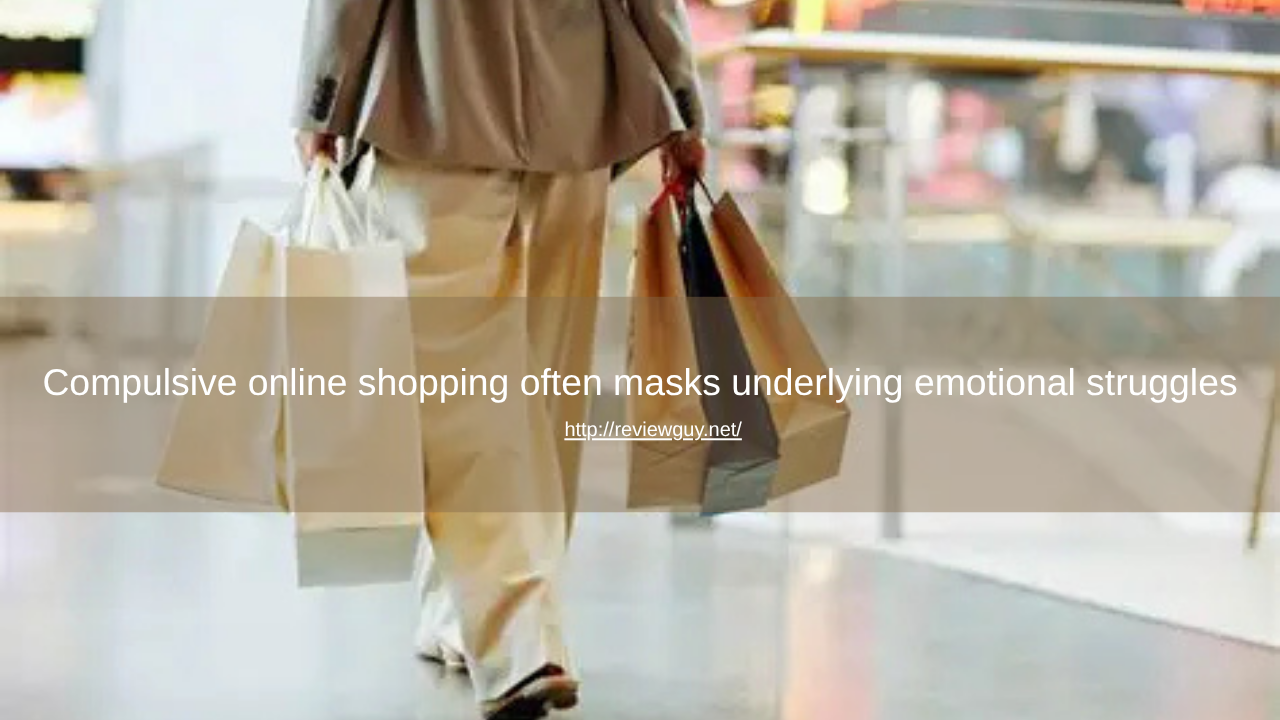
The Emotional Trap of Retail Therapy: How Digital Spending Masks Deeper Pain

In a world where everything is available with a single click, shopping has evolved far beyond a simple necessity. For many, online shopping offers comfort, distraction, or even a sense of control during stressful times. But when those quick dopamine boosts start replacing emotional self-care, what was once a harmless pastime can quietly turn into a coping mechanism that deepens emotional pain rather than heals it.

At Review Guy, we understand how emotional struggles can lead to behaviors that temporarily soothe but ultimately create greater distress. Our faith-based, holistic, and individualized approach to addiction recovery and mental health treatment helps individuals uncover the real issues behind their habits—and build lasting emotional resilience.


When Retail Therapy Becomes a Red Flag

The phrase “retail therapy” is often used casually, even playfully. Buying something new can make you feel good for a moment, especially after a hard day. But when shopping becomes the main way to cope with stress, loneliness, or low self-esteem, it may signal something deeper.

Online shopping platforms are designed to trigger pleasure responses in the brain. Notifications, discounts, and the anticipation of delivery can create a cycle of emotional highs and lows. This pattern can become addictive, much like gambling or substance use, as the brain begins to rely on spending for emotional relief. Over time, this behavior can lead to financial strain, guilt, and even deeper emotional distress.


The Hidden Emotional Drivers Behind Digital Spending

Compulsive online shopping often masks underlying emotional struggles. Some of the most common drivers include:

1. Loneliness and Isolation
For many, online shopping creates a temporary sense of connection or excitement that fills emotional voids.

2. Stress and Anxiety
The act of buying something can feel like taking control in an otherwise uncertain or chaotic world.

3. Depression or Low Self-Worth
Purchasing new items can provide a fleeting sense of accomplishment or validation.

4. Avoidance of Emotional Pain
Shopping may serve as a distraction from unresolved grief, trauma, or mental health challenges.

These emotional factors don’t just influence buying habits—they reveal unmet needs that require compassionate attention and healing.


Recognizing the Signs of Online Shopping Addiction

It’s not always easy to tell when shopping has crossed from comfort into compulsion. You might be struggling with a shopping addiction if you:

  • Feel anxious or restless when you can’t make purchases
  • Shop to escape negative emotions or boredom
  • Experience guilt or regret after buying things
  • Hide purchases or spending from loved ones
  • Find yourself in debt due to unnecessary shopping

Acknowledging these patterns is the first step toward breaking free. Healing begins when you can see your behavior with honesty and self-compassion.


Healing Beyond the Cart: A Holistic Approach

At Review Guy, we believe recovery is about more than just stopping a behavior—it’s about understanding what drives it. Through personalized care, clients are guided to identify emotional triggers and develop healthy coping mechanisms.

Faith-based counseling, mindfulness practices, and therapeutic support help individuals reconnect with their values, rediscover purpose, and build self-worth from within. Whether through inpatient or outpatient programs, the focus is always on treating the whole person—mind, body, and spirit.


Practical Steps to Regain Control

If you’re ready to start reclaiming balance, here are some small but powerful steps to begin with:

  • Pause before purchasing. Give yourself a waiting period before buying anything non-essential.
  • Track emotional triggers. Notice what feelings lead you to shop online.
  • Seek support. Talk to a counselor or join a recovery community.
  • Replace the habit. Engage in activities that bring fulfillment, such as journaling, exercise, or connecting with loved ones.

Healing is possible when you approach recovery with intention, self-awareness, and the right support system.


Finding Peace Beyond Possessions

Online shopping may offer momentary relief, but true peace comes from addressing the emotions beneath the surface. At Review Guy, our compassionate team helps individuals replace destructive habits with healthier forms of connection, purpose, and self-care.

If you or someone you love feels trapped in a cycle of digital spending, now is the time to take the first step. Reach out to Review Guy today to learn more about our holistic and faith-based programs designed to restore balance and rebuild emotional strength.

You deserve healing that lasts longer than the next delivery notification.

When Clicking ‘Buy Now’ Becomes a Burden: Understanding Online Shopping Addiction

In today’s digital world, convenience has become a way of life. Groceries, clothes, electronics, and even daily essentials can be delivered with just a few taps on a screen. While online shopping makes life easier, it also carries a hidden danger that often goes unnoticed: compulsive buying. What begins as retail therapy or a way to reward yourself can slowly evolve into an emotional and financial struggle. For many, this habit isn’t about the items purchased but the feelings behind each “Buy Now” click.

At Review Guy, we understand how emotional pain and stress can lead to unhealthy coping behaviors, including online shopping addiction. Through compassionate, holistic, and faith-based recovery programs, our goal is to help individuals find balance, self-awareness, and healing from the patterns that keep them trapped.


What Is Online Shopping Addiction?

Online shopping addiction, also known as compulsive buying disorder, is more than a bad spending habit. It’s a behavioral addiction that uses shopping as a way to manage emotions such as loneliness, sadness, or stress. The brain releases dopamine when a person anticipates a purchase, creating a temporary sense of pleasure or relief. Over time, this emotional reward loop can turn into dependency, leading to overspending and guilt.

Unlike traditional forms of addiction, online shopping is socially accepted and even encouraged by targeted ads, sales events, and influencer culture. This makes it harder to recognize when casual browsing has turned into a compulsion that disrupts daily life.


Signs You Might Be Struggling with Online Shopping Addiction

Recognizing the early signs of compulsive shopping can help prevent deeper emotional and financial consequences. Some common indicators include:

  • Feeling anxious or irritable when you cannot shop online
  • Hiding purchases or spending from loved ones
  • Buying items you don’t need just to feel better
  • Experiencing guilt or regret after making a purchase
  • Using shopping as a distraction from emotional pain or stress
  • Struggling to pay bills because of online spending

If these signs sound familiar, it may be time to take a closer look at your relationship with shopping.


The Emotional Roots Behind the Urge to Spend

Compulsive online shopping often masks deeper emotional struggles. People who experience anxiety, depression, or trauma may turn to shopping for temporary comfort or distraction. The act of browsing, buying, and receiving a package can create a sense of control or excitement, especially when life feels unpredictable.

At Review Guy, we recognize that addiction recovery isn’t just about managing behavior. It’s about addressing the root causes that drive it. Our faith-based and holistic programs focus on restoring emotional health through mindfulness, therapy, and community support.


Practical Steps Toward Recovery

Breaking free from online shopping addiction requires both awareness and intentional change. Here are a few strategies that can help:

1. Track your spending habits.
Identify triggers and emotional patterns that lead to unnecessary purchases.

2. Create a waiting period.
Before buying, give yourself 24 hours to decide if you truly need the item.

3. Limit exposure.
Unsubscribe from promotional emails, avoid browsing apps, and delete saved payment methods.

4. Seek emotional support.
Talking to a counselor or joining a support group can provide guidance and accountability.

5. Focus on holistic healing.
Meditation, prayer, and physical activity can help manage the emotional triggers behind spending.


Finding Freedom and Balance

Recovering from online shopping addiction is not about giving up pleasure or convenience. It’s about finding freedom from emotional dependency and reclaiming financial and mental peace. With compassionate, individualized care, you can learn to rebuild healthy coping strategies that restore balance in your life.

If you or someone you love is struggling with compulsive online spending, help is available. Reach out to Review Guy today to learn more about holistic, faith-based recovery programs that support healing for the mind, body, and spirit. Freedom begins when you take the first step toward change.

Retail Therapy or Red Flag? Identifying and Managing Problematic Online Shopping

Online shopping has become one of the most common ways people cope with stress, boredom, or emotional discomfort. It offers convenience, comfort, and a sense of control in an unpredictable world. Yet for many, what starts as retail therapy can quickly evolve into something more concerning. When the emotional relief of buying turns into a cycle of guilt, debt, and distress, it may be time to take a closer look at whether online shopping has become a red flag for deeper emotional or behavioral issues.

When Retail Therapy Turns into Dependence

Retail therapy can provide a temporary mood boost. The act of browsing, selecting, and purchasing releases dopamine, the brain’s pleasure chemical. However, this “shopping high” fades quickly, often leaving behind feelings of emptiness or guilt. Over time, some individuals begin to rely on shopping as a way to manage emotions or avoid stress. When the behavior becomes compulsive or interferes with daily life, it may signal an underlying problem such as a behavioral addiction or emotional imbalance.

Signs of Problematic Online Shopping

Recognizing the difference between healthy spending and compulsive shopping is essential for early intervention. Common warning signs include:

  • Shopping impulsively to escape negative emotions like anxiety, sadness, or loneliness
  • Feeling guilty, anxious, or ashamed after making purchases
  • Hiding receipts, purchases, or financial activity from loved ones
  • Experiencing financial strain or accumulating debt due to unnecessary spending
  • Struggling to stop shopping even when it causes emotional or financial harm

These behaviors often mask deeper struggles with stress, self-esteem, or mental health.

The Emotional and Psychological Roots

Compulsive shopping is rarely about the items themselves. It often stems from unmet emotional needs or unresolved psychological distress. Many individuals find comfort in the sense of control and excitement that shopping provides, especially when facing uncertainty, loneliness, or depression. Unfortunately, this temporary escape can reinforce avoidance patterns, making it harder to manage emotions in healthy ways.

At Review Guy’s trusted recovery network, clients receive holistic, individualized treatment that addresses not just the behavior, but the emotions driving it. By focusing on mental health, spiritual well-being, and practical coping skills, individuals can heal from the root causes of addictive behaviors.

Practical Strategies for Managing Online Shopping

Recovery begins with awareness and a commitment to change. The following strategies can help you regain balance and control:

Identify Triggers and Emotional Patterns

Pay attention to what leads you to shop online. Are you feeling stressed, bored, or isolated? Recognizing emotional triggers helps you develop healthier coping mechanisms such as mindfulness, journaling, or reaching out to a trusted friend.

Create Boundaries Around Spending

Set specific budgets and limits for discretionary spending. Unsubscribe from promotional emails, remove shopping apps from your phone, and delay purchases for 24 hours before checking out. These small changes help disrupt impulsive spending habits.

Find Healthier Sources of Relief

Replace the quick comfort of shopping with activities that promote genuine well-being. Exercise, meditation, volunteering, or creative hobbies can help fill emotional voids and strengthen self-awareness.

Seek Professional Support

If compulsive spending continues despite your efforts, professional help may be necessary. Treatment programs that include inpatient or outpatient care, faith-based counseling, and holistic therapy can provide long-term recovery tools. These approaches address both the behavioral and emotional components of addiction, helping individuals restore balance in their lives.

Finding Freedom Beyond the Cart

Compulsive online shopping may feel isolating, but it is not a reflection of weakness. It is a signal that something deeper needs attention. Through self-awareness, structured strategies, and professional care, recovery is entirely possible.

If you or someone you love is struggling with problematic shopping habits, take the first step today. Reach out to a compassionate recovery specialist through Review Guy’s network and discover personalized support designed to heal the whole person—mind, body, and spirit. Healing begins with acknowledging the problem and choosing to move forward toward peace and balance.

Digital Spending Spirals: From Retail Comfort to Real-Life Consequences

The digital world has transformed the way we live, connect, and spend. Online shopping offers convenience, instant gratification, and a sense of control. Yet for many, what begins as harmless retail therapy slowly spirals into an emotional and financial struggle. The allure of “add to cart” can mask deeper issues, turning digital spending into a coping mechanism for stress, loneliness, or emotional pain. Understanding the roots and consequences of this behavior is the first step toward regaining control.

The Hidden Appeal of Online Spending

Shopping online provides more than material satisfaction—it offers emotional comfort. The act of browsing, selecting, and purchasing triggers a rush of dopamine, the brain’s feel-good chemical. For individuals under emotional distress, this temporary lift can feel like relief from anxiety, sadness, or boredom. However, once the initial excitement fades, guilt and regret often take its place.

The Cycle of Digital Spending

Compulsive online shopping often follows a predictable pattern: emotional discomfort leads to impulsive purchases, followed by short-term relief, regret, and the return of emotional distress. Over time, this cycle can intensify, creating a dependency on spending as a form of emotional regulation. What starts as a quick distraction can evolve into an ongoing pattern that disrupts financial stability and emotional well-being.

Recognizing the Warning Signs

Recognizing when online shopping has crossed the line from comfort to compulsion is critical. Warning signs may include:

  • Spending money impulsively, even when it causes financial strain
  • Using online shopping to cope with stress, sadness, or anxiety
  • Hiding purchases or financial statements from loved ones
  • Feeling guilt or remorse after shopping but continuing to do it
  • Experiencing conflict in relationships due to spending habits

Acknowledging these signs is not a sign of failure—it is the first courageous step toward healing.

Emotional Consequences of Compulsive Spending

The emotional impact of compulsive online shopping often runs deeper than the financial stress it creates. Individuals may feel trapped by shame, regret, or anxiety about debt. These emotions can further fuel the behavior, creating a harmful feedback loop. Left unaddressed, this can lead to increased isolation, emotional exhaustion, and even symptoms of depression.

Steps Toward Healing and Balance

Recovery from digital spending addiction requires more than cutting off access to shopping apps. It involves understanding the emotional triggers that drive the behavior and replacing them with healthier coping mechanisms.

Identify and Address Emotional Triggers

Track your emotional state before and after purchases. Recognize patterns—are you shopping when lonely, stressed, or bored? Awareness creates an opportunity to make intentional choices instead of emotional reactions.

Set Practical Boundaries

Create a structured budget and limit credit card access. Unsubscribe from promotional emails and remove shopping apps from devices to reduce temptation. Setting these boundaries helps restore control and accountability.

Seek Support and Connection

Recovery does not happen in isolation. Sharing your experience with trusted friends, family, or a support group can provide encouragement and perspective. Professional help can also make a significant difference.

Explore Professional Treatment Options

If self-guided changes are not enough, professional addiction recovery programs can provide structure and guidance. At Review Guy’s trusted network, individuals can access holistic, faith-based, and individualized care tailored to both emotional and behavioral needs. Through therapy, counseling, and supportive community care, individuals can rebuild their confidence, improve mental health, and develop sustainable coping strategies.

Breaking the Cycle and Moving Forward

Digital spending addiction is not about a lack of willpower—it is about unaddressed emotional needs seeking relief in the wrong places. By recognizing the problem, implementing boundaries, and seeking support, recovery is entirely possible.

If online shopping has begun to control your emotions or finances, take the first step today. Professional guidance can help you break free from the cycle, restore your sense of balance, and create a healthier relationship with both money and yourself. Healing starts with one decision—to reach out and begin again.

More Than a Hobby: How to Recognize and Treat Online Shopping Addiction

Online shopping is a convenient way to buy essentials, discover new products, and occasionally indulge in something special. For most people, it is simply a hobby or a practical tool. However, for some, what begins as harmless browsing can evolve into a compulsive behavior that impacts emotional well-being, finances, and relationships. Recognizing online shopping addiction as a genuine behavioral issue is the first step toward recovery and lasting change.

Understanding Online Shopping Addiction

Online shopping addiction is a behavioral pattern in which individuals feel compelled to make purchases to manage emotions, rather than to meet actual needs. The temporary thrill of buying provides a short-term sense of relief, but the cycle often leads to guilt, stress, and financial strain. Unlike normal spending habits, compulsive online shopping is driven by emotional needs, making it a complex issue that affects mental health.

Common Signs of Compulsive Online Shopping

Identifying problematic behavior early is essential for effective intervention. Signs that online shopping has moved beyond a hobby may include:

  • Making frequent purchases to relieve stress, boredom, or sadness
  • Hiding purchases or financial activity from loved ones
  • Experiencing guilt or regret after shopping but continuing the behavior
  • Facing financial difficulties, such as debt or missed payments, due to spending
  • Feeling anxious or restless when unable to shop online

Awareness of these signs allows individuals to take proactive steps to regain control and seek appropriate support.

The Emotional and Mental Health Connection

Compulsive online shopping often masks deeper emotional struggles. Individuals may use purchasing as a way to cope with anxiety, depression, or feelings of inadequacy. While each transaction can provide momentary relief, it does not address the underlying challenges. Over time, this behavior can exacerbate emotional distress and create a cycle of dependence that is difficult to break without structured support.

Practical Strategies to Manage Online Shopping

Addressing online shopping addiction requires both self-awareness and intentional actions. The following strategies can help:

Identify Emotional Triggers

Tracking emotions alongside purchasing habits can reveal patterns. Understanding why you shop—whether to relieve stress, loneliness, or boredom—allows for healthier alternatives.

Implement Spending Boundaries

Set a monthly budget, limit credit card use, or remove saved payment methods from devices. These boundaries reduce impulsive purchases and create space for reflection.

Replace Shopping with Positive Coping Mechanisms

Engage in activities that provide emotional fulfillment without financial consequences. Exercise, mindfulness practices, journaling, or connecting with supportive friends can replace the temporary relief of shopping with sustainable well-being.

Seek Professional Support

For many, self-guided strategies are not enough. Professional treatment addresses both the behavioral and emotional aspects of online shopping addiction. Programs that offer inpatient and outpatient care, holistic therapies, and faith-based guidance can provide structured recovery. At Review Guy’s network of care providers, individuals receive personalized treatment plans that promote emotional healing, financial responsibility, and long-term balance.

Taking the First Step Toward Recovery

Online shopping addiction is more than a harmless hobby. Recognizing the signs and seeking support can prevent further emotional distress and financial complications. With compassionate, individualized care, it is possible to break free from compulsive shopping, rebuild relationships, and restore a sense of control.

If you or a loved one is struggling with compulsive online shopping, now is the time to take action. Reach out to a trusted professional today and begin the journey toward healing, balance, and lasting recovery.

The Emotional Cost of Convenience: Is Your Online Shopping Out of Control?

Online shopping has made life easier than ever before. With just a few clicks, you can have groceries, clothing, or electronics delivered straight to your door. The convenience is undeniable, but for many people, that same convenience can become a hidden trap. When shopping shifts from a practical tool to an emotional escape, it can carry a heavy cost. The emotional toll of compulsive online shopping often runs deeper than the financial stress it creates, leaving individuals caught in a cycle of regret, guilt, and anxiety.

Understanding the Appeal of Online Shopping

The rise of online shopping platforms has made spending money effortless. Personalized recommendations, endless discounts, and the promise of instant gratification make it hard to resist. For some, shopping becomes more than a convenience; it turns into a coping mechanism for stress, loneliness, or boredom. Instead of addressing the root emotions, individuals may use purchases as a temporary mood boost, only to feel regret once the transaction is complete.

When Convenience Becomes a Crutch

Occasional online shopping is not harmful, but there are clear warning signs when convenience crosses into dependence. These signs include:

  • Shopping to numb emotions rather than to meet genuine needs
  • Feeling anxious or restless when avoiding online purchases
  • Hiding spending habits or packages from loved ones
  • Experiencing financial strain due to unchecked buying
  • Feeling guilt or shame immediately after purchases but repeating the behavior

Recognizing these patterns is an essential step toward breaking free from the cycle.

The Emotional and Mental Health Impact

Compulsive online shopping is more than a financial problem. It is a behavioral pattern that often stems from unresolved emotional struggles. Each purchase may bring a short-lived sense of relief, but the underlying stress, sadness, or emptiness remains. Over time, this cycle can intensify feelings of guilt and shame, damage relationships, and worsen mental health conditions like anxiety or depression.

Practical Strategies to Regain Control

Recovery from compulsive spending requires both emotional insight and practical action. The following strategies can help individuals begin the journey toward balance:

Identify Triggers and Patterns

Track when and why you shop online. Do you notice it happens after a stressful day, during moments of loneliness, or late at night when distractions are few? Recognizing triggers makes it possible to choose healthier coping responses.

Create Barriers to Impulse Spending

Simple steps such as removing saved payment information, deleting shopping apps, or setting a 24-hour rule before making purchases can prevent impulsive decisions. These small boundaries create space for reflection and intentional choices.

Replace Shopping with Healthy Outlets

Engage in activities that provide emotional relief without financial cost. Exercise, journaling, creative hobbies, or connecting with supportive friends can replace the temporary rush of shopping with sustainable well-being.

Seek Professional Guidance

For many, breaking free from compulsive shopping requires more than willpower. Professional addiction recovery programs provide the structure, tools, and support needed for lasting change. At Review Guy’s network of trusted resources, individuals can find personalized treatment options including inpatient and outpatient care, holistic therapies, and faith-based guidance. These approaches address both the emotional roots and the behavioral patterns of shopping addiction.

Moving Toward Healing

The convenience of online shopping should not come at the cost of your emotional and financial health. By recognizing the signs of dependence, exploring healthier coping strategies, and reaching out for professional support, recovery is possible.

If you or someone you love is struggling with compulsive online shopping, know that help is available. Through compassionate, individualized care that addresses the whole person, healing and freedom are within reach. Take the step today to reclaim control, restore balance, and invest in your well-being.

Shopping for Relief or Creating Stress? The Hidden Dangers of Online Spending

Online shopping has become a part of everyday life. The convenience, variety, and instant gratification make it easy to click “buy now” from the comfort of home. For some, shopping is an enjoyable activity or even a brief escape from stress. However, when online spending is used as a primary method to manage emotions, it can lead to financial strain, guilt, and long-term emotional challenges. Understanding the hidden dangers of compulsive online shopping is critical for anyone seeking to regain control over their finances and emotional well-being.

Understanding Compulsive Online Spending

Compulsive online spending is a behavioral addiction in which the act of purchasing becomes a way to cope with stress, anxiety, or negative emotions. Unlike typical shopping, this behavior is less about acquiring goods and more about achieving a temporary emotional high. Each purchase may provide momentary relief, but the feeling fades quickly, leaving individuals with regret, financial pressure, and unresolved emotional challenges.

Key Signs of Compulsive Online Shopping

Recognizing when online shopping has become a problem is the first step toward recovery. Common warning signs include:

  • Shopping frequently to manage stress, boredom, or sadness
  • Feeling anxiety or agitation when access to online shopping is limited
  • Hiding purchases or financial information from loved ones
  • Experiencing debt, missed payments, or other financial consequences due to online spending
  • Feeling guilt or regret after purchases but continuing to shop impulsively

Identifying these patterns allows individuals to take proactive steps before the behavior escalates further.

Why Online Shopping Feels Like Relief

For many people, the convenience and instant gratification of online shopping make it an appealing way to cope with emotions. The short-term satisfaction and distraction can create a temporary sense of control or happiness. However, without addressing the underlying emotional or psychological issues, the behavior becomes a cycle: shopping provides relief, which fades, prompting more shopping to recapture that feeling. Over time, this cycle can interfere with relationships, mental health, and overall financial stability.

Strategies to Reduce Compulsive Spending

Breaking free from online shopping dependence requires both self-awareness and practical strategies.

Identify Emotional Triggers

Keeping a journal of emotions and spending habits can reveal patterns. Understanding whether stress, loneliness, or boredom triggers shopping helps in developing healthier coping mechanisms.

Set Practical Boundaries

Establishing a budget for discretionary spending, limiting credit card use, and deleting shopping apps can reduce impulsive purchases. Creating these boundaries provides a sense of control and encourages intentional decision-making.

Replace Shopping with Healthy Alternatives

Instead of using online shopping to cope, explore alternative activities that provide emotional relief. Exercise, meditation, journaling, creative hobbies, or talking with supportive friends can fulfill emotional needs without financial consequences.

Seek Professional Support

For many individuals, professional help is essential. Programs that offer inpatient or outpatient care, holistic therapies, and faith-based guidance can provide personalized treatment to address both the emotional and behavioral aspects of compulsive shopping. Therapy and counseling help individuals develop healthier coping skills and rebuild self-esteem.

Moving Toward Recovery

Compulsive online shopping does not have to control your life. Recognizing the signs, implementing practical strategies, and seeking professional guidance are key steps toward recovery. Facilities like those affiliated with Review Guy offer compassionate, individualized care that addresses the whole person, combining mental health support with holistic and faith-based approaches.

If you or a loved one struggles with compulsive online shopping, reaching out for help is the first step toward financial stability, emotional balance, and lasting recovery. Taking action today can prevent further stress and empower you to regain control over your life.

When Retail Therapy Hurts: A Guide to Managing Compulsive Online Shopping

For many people, shopping online can feel like a harmless escape. A new package arriving at the doorstep brings excitement, and the convenience of browsing from home makes it even easier. But when retail therapy turns into a pattern of compulsive online shopping, the temporary relief it provides often comes at a heavy emotional and financial cost. What begins as a coping mechanism for stress, sadness, or boredom can spiral into an addiction that requires understanding and intentional recovery.

Understanding Compulsive Online Shopping

Compulsive online shopping is more than overspending. It is a behavioral addiction that stems from using purchases to fill emotional voids or regulate difficult feelings. The act of buying provides a quick rush, but that high is short-lived. Over time, the cycle creates guilt, debt, and even strain in relationships. Recognizing the behavior for what it is can help shift the perspective from “bad spending habits” to a genuine mental health challenge that deserves care and attention.

Signs That Retail Therapy Has Become Harmful

It can be difficult to tell the difference between normal shopping and a compulsive pattern. Some common red flags include:

  • Shopping to relieve anxiety, sadness, or loneliness
  • Feeling guilt or regret immediately after making a purchase
  • Hiding receipts or packages from family or loved ones
  • Struggling with debt or financial instability due to frequent spending
  • Feeling restless or irritable when unable to shop online

When these behaviors become consistent, they often indicate a deeper issue that needs to be addressed.

Why Shopping Becomes a Coping Mechanism

Shopping temporarily distracts from negative emotions. The anticipation of delivery, the satisfaction of clicking “buy,” and the illusion of control all provide relief. Unfortunately, these benefits fade quickly, leaving underlying struggles unresolved. Without addressing the root causes, the cycle continues and often worsens. For many, compulsive shopping is connected to stress, trauma, or underlying mental health challenges such as depression or anxiety.

Strategies for Managing Online Shopping Urges

Breaking free from compulsive shopping requires both practical tools and emotional healing. Here are some effective strategies:

Identify Your Triggers

Keep track of when and why you shop. Noticing whether stress, loneliness, or boredom prompts spending can help you develop healthier responses.

Create Barriers to Impulse Buying

Remove shopping apps from your phone, unsubscribe from marketing emails, and delay purchases by giving yourself a 24-hour cooling-off period before checking out.

Practice Mindful Spending

Before purchasing, ask yourself if the item is truly necessary or if it is being used to cope with emotions. Mindful decision-making helps create intentional spending habits.

Build Healthier Coping Skills

Replace shopping with positive alternatives such as exercise, journaling, meditation, or connecting with supportive people. Building resilience is key to reducing dependence on temporary relief.

The Role of Professional Support

For many people, self-guided steps are helpful but not enough. Compulsive online shopping is often tied to emotional pain that cannot be solved by willpower alone. Professional treatment offers deeper support by addressing the root causes of the behavior.

At Review Guy’s trusted network of care providers, individuals can access inpatient and outpatient programs designed to treat behavioral addictions with compassion and expertise. Holistic and faith-based approaches, combined with evidence-based therapies, provide healing for both the mind and spirit. This personalized care empowers individuals to regain control and build a more balanced, fulfilling life.

Choosing Recovery Today

When retail therapy hurts more than it helps, it is time to seek change. Compulsive online shopping does not have to define your life or your future. By recognizing the signs, practicing healthier habits, and reaching out for professional support, recovery is possible.

If you or someone you love is struggling with compulsive shopping, know that help is available. Contact a trusted treatment provider today and take the first step toward freedom, healing, and lasting financial peace.

Retail Highs, Financial Lows: How to Break Free from Online Shopping Dependence

The thrill of clicking “buy now” can feel harmless at first. For many, online shopping provides a quick escape from stress or boredom. But when shopping becomes a primary way to cope with difficult emotions, it can spiral into a dependence that brings more harm than relief. Financial strain, emotional distress, and fractured relationships often follow. Recognizing online shopping dependence as more than a spending habit is the first step toward reclaiming control and healing.

Understanding Online Shopping Dependence

Online shopping dependence is a form of behavioral addiction. Instead of focusing on the items being purchased, the compulsion is tied to the feelings triggered by the act of buying. The anticipation of delivery and the short-term “high” of a purchase often mask underlying stress, anxiety, or loneliness. This cycle may bring temporary comfort, but it leaves individuals with regret and mounting financial pressure.

Warning Signs to Watch For

Not every impulse purchase signals an addiction, but certain patterns can indicate a deeper problem:

  • Shopping to relieve stress, sadness, or boredom
  • Hiding receipts, packages, or bank statements from loved ones
  • Feeling guilt or regret after purchases but continuing the behavior
  • Struggling with debt or financial hardship due to overspending
  • Becoming anxious or irritable when unable to shop online

If these signs sound familiar, it may be time to evaluate whether shopping has become an unhealthy coping mechanism.

Why Retail Therapy Turns Into a Real Problem

Shopping often becomes a way to manage emotions rather than address them. This makes the behavior appealing in the short term but destructive in the long term. Similar to other behavioral addictions, the root issue is rarely about money or possessions. It is about finding relief from internal struggles. Without healthier coping strategies, online shopping dependence can deepen feelings of guilt, shame, and isolation.

Practical Strategies to Break Free

Breaking free from online shopping dependence takes courage and practical steps. Here are a few strategies to help regain control:

Identify Emotional Triggers

Keep a journal of your moods and spending habits. Recognizing when and why you shop can help uncover the emotions driving the behavior.

Set Healthy Boundaries

Limit credit card use, create spending budgets, and hold yourself accountable by sharing your goals with a trusted friend or family member.

Reduce Digital Temptations

Unsubscribe from marketing emails, remove shopping apps from your phone, and set intentional limits on screen time.

Replace the Habit with Healthier Coping Skills

Turn to activities that build resilience and reduce stress, such as exercise, journaling, meditation, or connecting with supportive relationships.

When Professional Help Is Needed

For many, self-guided strategies are not enough. Online shopping dependence can be deeply tied to mental health challenges like anxiety, depression, or trauma. In these cases, professional support provides the guidance needed to heal at the root.

Treatment centers like Review Guy’s network of care providers offer holistic recovery programs that go beyond surface behaviors. Through inpatient and outpatient care, individuals receive personalized therapy, group support, and faith-based guidance that address both emotional and financial struggles. This approach ensures healing is not only about stopping the behavior but also about building healthier, more fulfilling ways to live.

Choosing Recovery and Moving Forward

Breaking free from online shopping dependence is possible. With the right tools, support, and treatment, individuals can move from the cycle of retail highs and financial lows toward balance and peace of mind. Recovery begins with acknowledging the problem and reaching out for help.

If you or a loved one is struggling with compulsive online shopping, now is the time to take action. Contact a trusted treatment provider today and begin your journey toward freedom, healing, and financial stability.

The thrill of clicking “buy now” can feel harmless at first. For many, online shopping provides a quick escape from stress or boredom. But when shopping becomes a primary way to cope with difficult emotions, it can spiral into a dependence that brings more harm than relief. Financial strain, emotional distress, and fractured relationships often follow. Recognizing online shopping dependence as more than a spending habit is the first step toward reclaiming control and healing.

Understanding Online Shopping Dependence

Online shopping dependence is a form of behavioral addiction. Instead of focusing on the items being purchased, the compulsion is tied to the feelings triggered by the act of buying. The anticipation of delivery and the short-term “high” of a purchase often mask underlying stress, anxiety, or loneliness. This cycle may bring temporary comfort, but it leaves individuals with regret and mounting financial pressure.

Warning Signs to Watch For

Not every impulse purchase signals an addiction, but certain patterns can indicate a deeper problem:

  • Shopping to relieve stress, sadness, or boredom
  • Hiding receipts, packages, or bank statements from loved ones
  • Feeling guilt or regret after purchases but continuing the behavior
  • Struggling with debt or financial hardship due to overspending
  • Becoming anxious or irritable when unable to shop online

If these signs sound familiar, it may be time to evaluate whether shopping has become an unhealthy coping mechanism.

Why Retail Therapy Turns Into a Real Problem

Shopping often becomes a way to manage emotions rather than address them. This makes the behavior appealing in the short term but destructive in the long term. Similar to other behavioral addictions, the root issue is rarely about money or possessions. It is about finding relief from internal struggles. Without healthier coping strategies, online shopping dependence can deepen feelings of guilt, shame, and isolation.

Practical Strategies to Break Free

Breaking free from online shopping dependence takes courage and practical steps. Here are a few strategies to help regain control:

Identify Emotional Triggers

Keep a journal of your moods and spending habits. Recognizing when and why you shop can help uncover the emotions driving the behavior.

Set Healthy Boundaries

Limit credit card use, create spending budgets, and hold yourself accountable by sharing your goals with a trusted friend or family member.

Reduce Digital Temptations

Unsubscribe from marketing emails, remove shopping apps from your phone, and set intentional limits on screen time.

Replace the Habit with Healthier Coping Skills

Turn to activities that build resilience and reduce stress, such as exercise, journaling, meditation, or connecting with supportive relationships.

When Professional Help Is Needed

For many, self-guided strategies are not enough. Online shopping dependence can be deeply tied to mental health challenges like anxiety, depression, or trauma. In these cases, professional support provides the guidance needed to heal at the root.

Treatment centers like Review Guy’s network of care providers offer holistic recovery programs that go beyond surface behaviors. Through inpatient and outpatient care, individuals receive personalized therapy, group support, and faith-based guidance that address both emotional and financial struggles. This approach ensures healing is not only about stopping the behavior but also about building healthier, more fulfilling ways to live.

Choosing Recovery and Moving Forward

Breaking free from online shopping dependence is possible. With the right tools, support, and treatment, individuals can move from the cycle of retail highs and financial lows toward balance and peace of mind. Recovery begins with acknowledging the problem and reaching out for help.

If you or a loved one is struggling with compulsive online shopping, now is the time to take action. Contact a trusted treatment provider today and begin your journey toward freedom, healing, and financial stability.