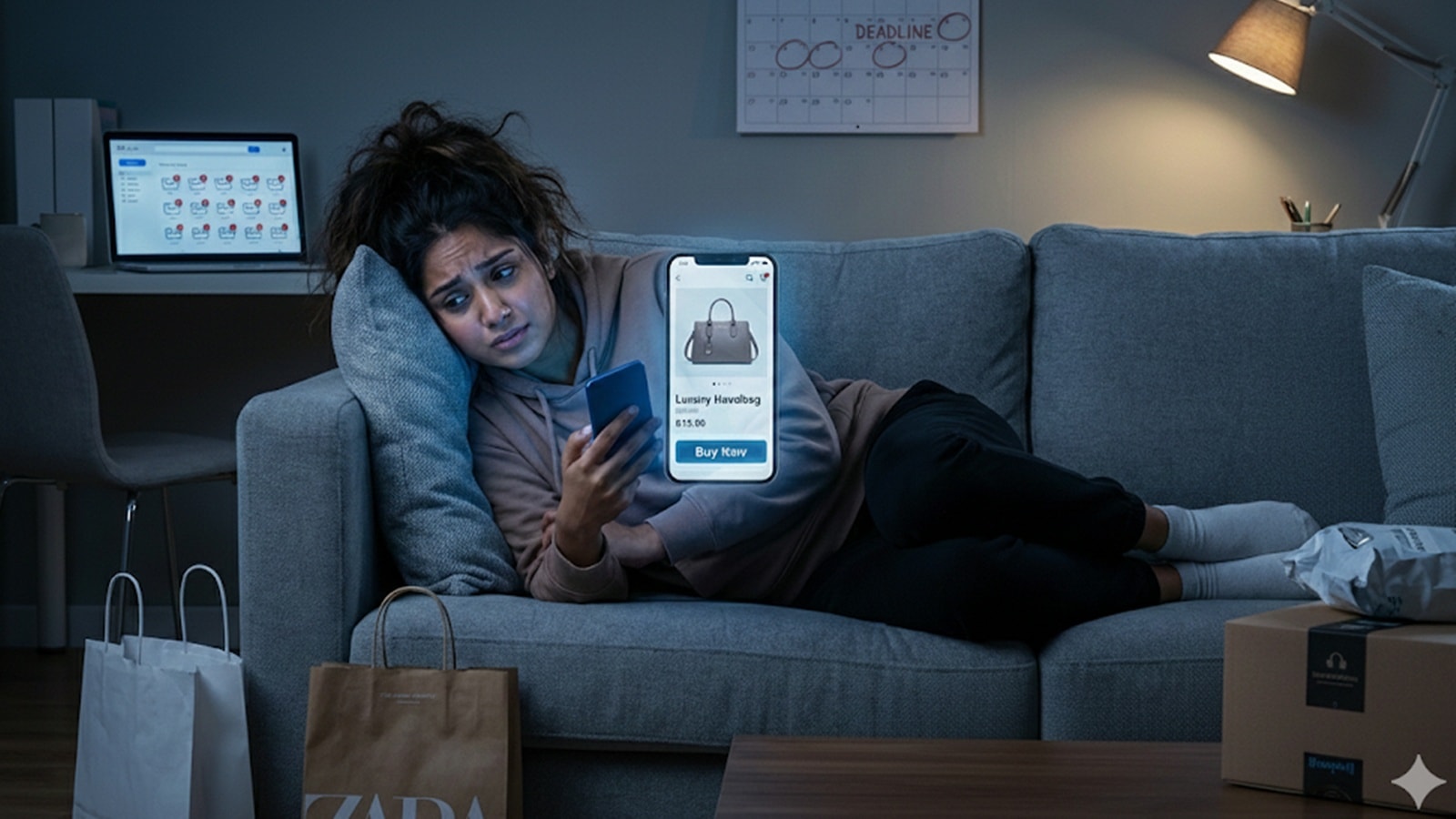
Online shopping has become one of the most convenient parts of modern life. Whether you are replacing household essentials, buying gifts, or treating yourself after a long week, making a purchase is only a few clicks away. While this convenience offers many benefits, it can also make it difficult to recognize when healthy shopping habits have evolved into compulsive behavior. When the shopping cart begins to control your decisions instead of serving your needs, it may be time to take a closer look.
Online shopping compulsion is more than frequent spending. It is a behavioral addiction that can affect mental health, emotional well being, relationships, and financial stability. The encouraging news is that early recognition and compassionate support can make recovery much more achievable. Understanding the warning signs and taking action early can help prevent the behavior from becoming more disruptive over time.
What Is Online Shopping Compulsion?
Online shopping compulsion is a behavioral health condition in which a person experiences repeated urges to shop despite negative consequences. Unlike occasional impulse buying, compulsive shopping is driven primarily by emotional needs rather than genuine necessity.
Many people use shopping as a temporary escape from stress, anxiety, loneliness, boredom, or emotional discomfort. The excitement of placing an order may briefly improve mood, but those positive feelings usually fade quickly. This often leads to guilt, regret, or renewed emotional distress, creating a cycle that encourages continued spending.
Why Online Shopping Is Especially Difficult to Resist
Digital shopping platforms are designed to make buying as simple as possible. Personalized recommendations, exclusive discounts, limited time offers, loyalty rewards, and one click purchasing all encourage quick decisions.
For someone already experiencing emotional stress, these features can reinforce unhealthy shopping patterns. Over time, the brain begins connecting shopping with emotional relief, making compulsive behavior increasingly difficult to recognize and control.
Early Signs That the Shopping Cart Is Taking Over
Recognizing the warning signs before the behavior becomes severe can lead to earlier intervention and better long term outcomes.
Shopping Has Become an Emotional Escape
If you consistently turn to online shopping after stressful days, arguments, disappointment, or loneliness, shopping may be serving as an emotional coping strategy rather than a practical activity.
Browsing Has Become a Daily Habit
Many people struggling with compulsive buying spend hours browsing online stores without intending to purchase anything. Even if purchases do not happen every time, the browsing itself may become emotionally rewarding.
Spending More Than Planned
One small purchase often turns into several. Budgets become difficult to follow, and promises to spend less are repeatedly broken despite sincere intentions.
Feeling Relief Before Regret
Many individuals describe a brief sense of excitement immediately after placing an order. Shortly afterward, those feelings are replaced by guilt, disappointment, or concern about finances.
Keeping Purchases Secret
Hiding deliveries, deleting receipts, or avoiding conversations about spending habits often indicates growing discomfort with shopping behavior.
How Compulsive Shopping Affects Mental Health
Online shopping compulsion is closely connected to emotional health. While the behavior may temporarily reduce uncomfortable feelings, it rarely resolves the underlying issues.
Increased Anxiety
Financial pressure, mounting debt, and unsuccessful attempts to stop shopping often increase anxiety. Over time, individuals may feel trapped in a cycle they no longer know how to control.
Depression and Low Confidence
Repeated guilt and frustration can gradually reduce self confidence. Some individuals begin believing they lack the discipline to change, even though compulsive shopping is a recognized behavioral addiction rather than a character flaw.
Relationship Difficulties
Hidden purchases and financial strain frequently create conflict within families and relationships. Trust may become damaged when loved ones feel excluded from financial decisions or discover undisclosed spending.
How to Address Online Shopping Compulsion Early
The earlier compulsive shopping is addressed, the easier it can be to develop healthier habits and prevent more serious consequences.
Recognize Personal Triggers
Begin paying attention to the emotions that appear before shopping urges. Stress, boredom, loneliness, anxiety, and sadness are among the most common triggers. Understanding these patterns creates greater self awareness and helps interrupt automatic behaviors.
Introduce Practical Spending Boundaries
Simple changes can significantly reduce impulsive purchases. Consider removing saved payment information, setting monthly spending goals, turning off shopping notifications, and waiting twenty four hours before making nonessential purchases.
Build Healthier Emotional Coping Skills
Recovery involves replacing shopping with healthier ways of managing emotions. Physical activity, journaling, mindfulness, volunteering, creative hobbies, and spending meaningful time with supportive friends and family can all strengthen emotional resilience.
Seek Professional Treatment
When shopping compulsion begins affecting daily life, professional support can make a meaningful difference.
ReviewGuy emphasizes individualized treatment that addresses both behavioral addictions and the emotional challenges that contribute to them. Depending on each person’s needs, recovery may include inpatient treatment, outpatient programs, individual counseling, group therapy, holistic therapies, and faith based support. Treating both the behavior and its underlying causes gives individuals the best opportunity for lasting recovery.
Embrace Holistic Healing
Recovery is about more than stopping compulsive spending. Holistic treatment supports the whole person by encouraging emotional, physical, mental, and spiritual wellness. Mindfulness practices, nutritional support, exercise, counseling, family involvement, and faith based guidance can all become valuable parts of a personalized recovery plan.
Recovery Is Possible With the Right Support
Compulsive shopping does not develop overnight, and recovery also takes time. Every healthy decision, every moment of increased awareness, and every step toward professional support helps build a stronger foundation for lasting change.
With compassionate guidance and individualized care, people can regain confidence, improve emotional well being, rebuild financial stability, and create healthier relationships with both money and themselves.
Conclusion
When the shopping cart begins making decisions instead of you, it is important to recognize that help is available. Online shopping compulsion is a treatable behavioral addiction that often reflects deeper emotional needs rather than a lack of willpower.
By identifying the early warning signs, understanding emotional triggers, and seeking professional addiction recovery and mental health treatment, lasting healing becomes possible. Whether recovery includes outpatient counseling, inpatient care, holistic therapies, or faith based support, taking the first step today can lead to a healthier, more balanced future built on confidence instead of compulsion.