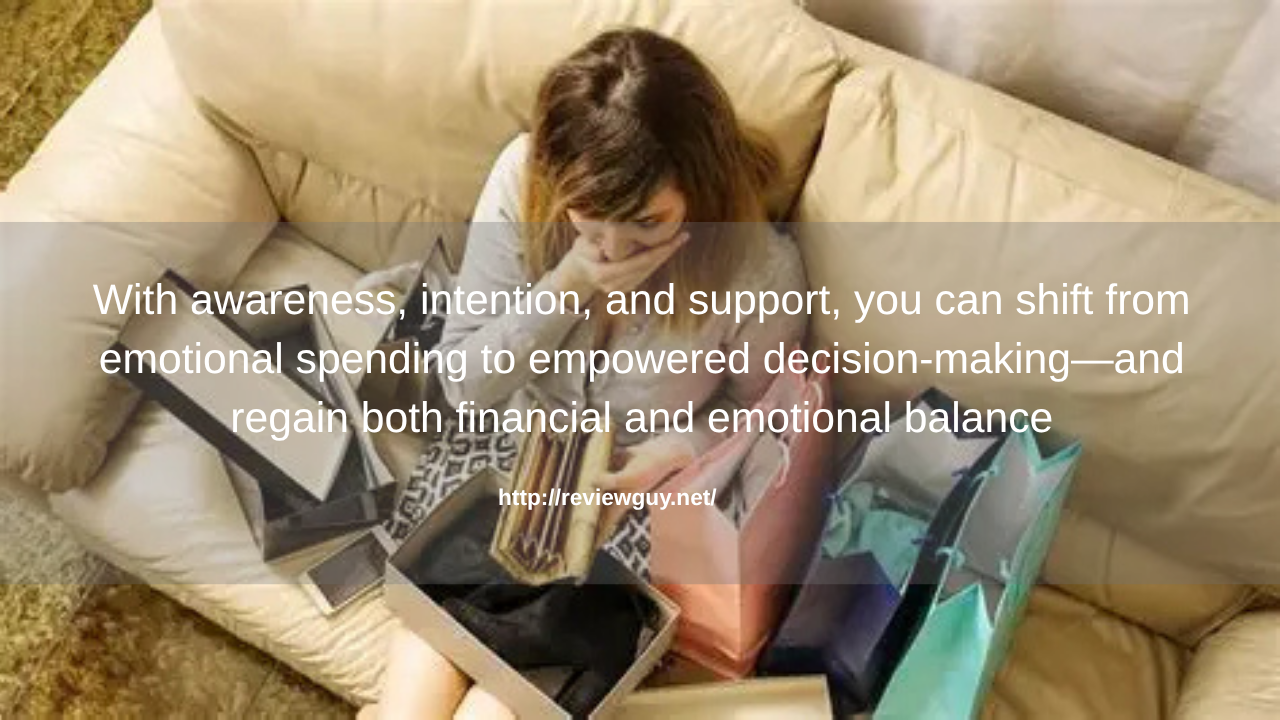
In the era of digital convenience, online shopping has become a staple of everyday life. Whether it’s buying essentials, browsing for fun, or indulging in the occasional splurge, it’s never been easier to fill your cart and complete a purchase in seconds. For many, this accessibility provides comfort and ease. But when that comfort turns into a coping mechanism—and eventually a compulsion—it may signal a deeper problem: online shopping addiction.
Online shopping addiction, also known as compulsive buying disorder, goes beyond the occasional impulse buy. It’s characterized by an overwhelming urge to shop, even when it leads to financial stress, emotional distress, or impaired daily functioning. Recognizing the signs early can help prevent long-term consequences and pave the way toward healthier habits.
The Emotional Pull of the “Buy Now” Button
At its core, online shopping addiction is driven by emotion. Shopping can offer a temporary escape from reality—a way to numb feelings of sadness, stress, boredom, or loneliness. The act of buying something new gives a short-lived dopamine boost, creating a cycle of emotional relief followed by regret or guilt. Because online platforms are always accessible, it’s easy to fall into the habit without even realizing it’s happening.
Warning Signs to Watch For
Here are some key signs that your online shopping may be moving from comfort to compulsion:
- Frequent, unplanned purchases: You often buy things on impulse, especially items you don’t need or hadn’t planned to buy.
- Emotional triggers: You shop when you’re feeling anxious, sad, bored, or overwhelmed—not necessarily when you need something.
- Hiding purchases: You feel the need to hide packages or receipts from family and friends.
- Financial strain: Your shopping habits are causing credit card debt, missed bills, or strained finances.
- Guilt and regret: You often feel ashamed or anxious after shopping but continue the behavior anyway.
- Failed attempts to stop: You’ve tried to cut back or stop shopping online but struggle to control the urge.
- Neglecting responsibilities: Shopping consumes a significant amount of your time and energy, interfering with work, relationships, or self-care.
If you notice several of these signs in your own behavior, it may be time to take a step back and reassess your relationship with online shopping.
What You Can Do
The first step is awareness. Acknowledge that your shopping habits may be more than just a harmless pastime. Start by tracking your purchases and noting your emotional state before and after each transaction.
To regain control, consider these strategies:
- Set a strict budget for non-essential spending.
- Unsubscribe from promotional emails and remove shopping apps from your devices.
- Create a “cooling-off” rule, like waiting 24 hours before making any purchase.
- Find alternative coping methods, such as exercise, journaling, or connecting with loved ones.
- Seek professional help if the habit is affecting your mental health or financial stability.
Final Thoughts
What begins as a source of comfort can quietly become a compulsion if left unchecked. Recognizing the signs of online shopping addiction is the first step toward breaking the cycle. With awareness, intention, and support, you can shift from emotional spending to empowered decision-making—and regain both financial and emotional balance.