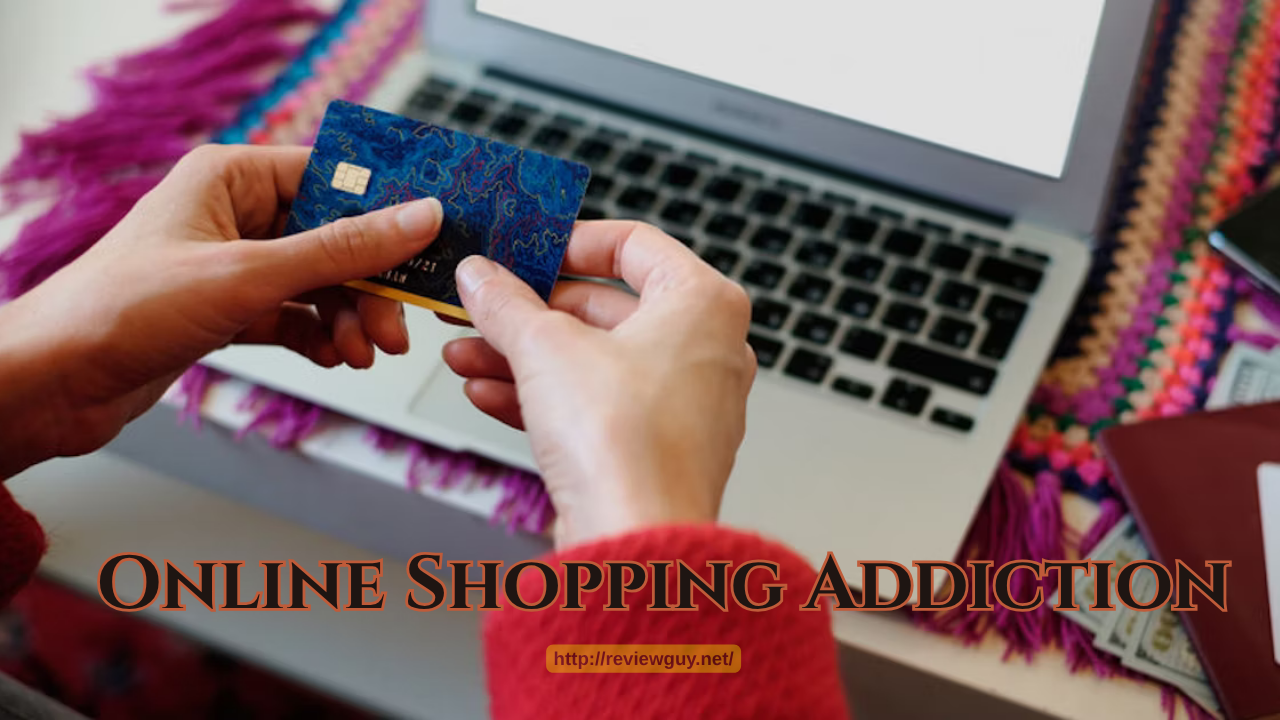
Online shopping is a convenient way to buy essentials, discover new products, and occasionally indulge in something special. For most people, it is simply a hobby or a practical tool. However, for some, what begins as harmless browsing can evolve into a compulsive behavior that impacts emotional well-being, finances, and relationships. Recognizing online shopping addiction as a genuine behavioral issue is the first step toward recovery and lasting change.
Understanding Online Shopping Addiction
Online shopping addiction is a behavioral pattern in which individuals feel compelled to make purchases to manage emotions, rather than to meet actual needs. The temporary thrill of buying provides a short-term sense of relief, but the cycle often leads to guilt, stress, and financial strain. Unlike normal spending habits, compulsive online shopping is driven by emotional needs, making it a complex issue that affects mental health.
Common Signs of Compulsive Online Shopping
Identifying problematic behavior early is essential for effective intervention. Signs that online shopping has moved beyond a hobby may include:
- Making frequent purchases to relieve stress, boredom, or sadness
- Hiding purchases or financial activity from loved ones
- Experiencing guilt or regret after shopping but continuing the behavior
- Facing financial difficulties, such as debt or missed payments, due to spending
- Feeling anxious or restless when unable to shop online
Awareness of these signs allows individuals to take proactive steps to regain control and seek appropriate support.
The Emotional and Mental Health Connection
Compulsive online shopping often masks deeper emotional struggles. Individuals may use purchasing as a way to cope with anxiety, depression, or feelings of inadequacy. While each transaction can provide momentary relief, it does not address the underlying challenges. Over time, this behavior can exacerbate emotional distress and create a cycle of dependence that is difficult to break without structured support.
Practical Strategies to Manage Online Shopping
Addressing online shopping addiction requires both self-awareness and intentional actions. The following strategies can help:
Identify Emotional Triggers
Tracking emotions alongside purchasing habits can reveal patterns. Understanding why you shop—whether to relieve stress, loneliness, or boredom—allows for healthier alternatives.
Implement Spending Boundaries
Set a monthly budget, limit credit card use, or remove saved payment methods from devices. These boundaries reduce impulsive purchases and create space for reflection.
Replace Shopping with Positive Coping Mechanisms
Engage in activities that provide emotional fulfillment without financial consequences. Exercise, mindfulness practices, journaling, or connecting with supportive friends can replace the temporary relief of shopping with sustainable well-being.
Seek Professional Support
For many, self-guided strategies are not enough. Professional treatment addresses both the behavioral and emotional aspects of online shopping addiction. Programs that offer inpatient and outpatient care, holistic therapies, and faith-based guidance can provide structured recovery. At Review Guy’s network of care providers, individuals receive personalized treatment plans that promote emotional healing, financial responsibility, and long-term balance.
Taking the First Step Toward Recovery
Online shopping addiction is more than a harmless hobby. Recognizing the signs and seeking support can prevent further emotional distress and financial complications. With compassionate, individualized care, it is possible to break free from compulsive shopping, rebuild relationships, and restore a sense of control.
If you or a loved one is struggling with compulsive online shopping, now is the time to take action. Reach out to a trusted professional today and begin the journey toward healing, balance, and lasting recovery.