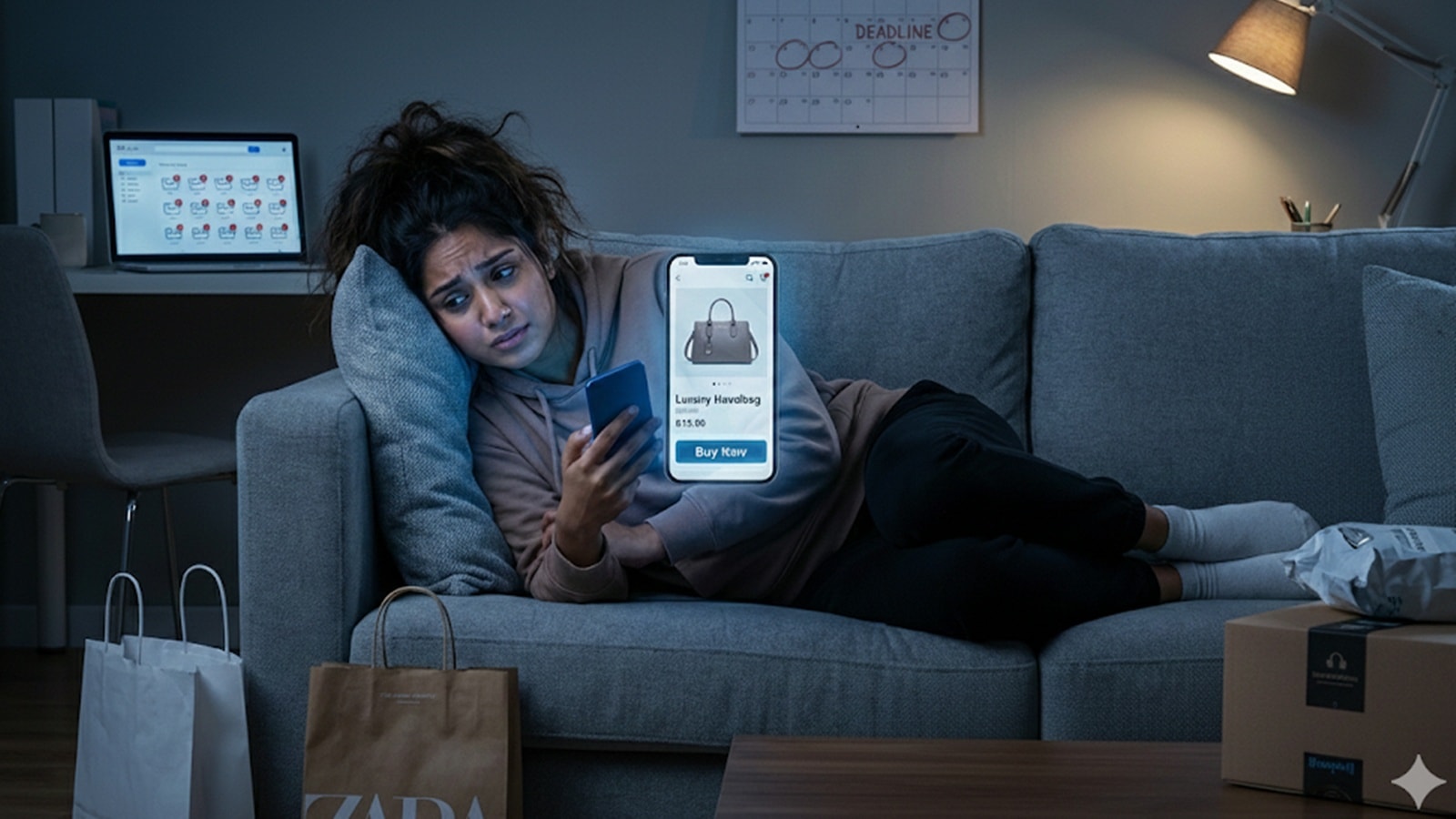
Shopping is a common part of everyday life. Whether it is purchasing necessities, finding a great deal, or enjoying something new, buying items can bring a sense of satisfaction and convenience. However, when shopping becomes a way to escape emotions, manage stress, or seek temporary relief, it may develop into something more concerning. Online shopping compulsion can begin quietly, making it difficult to recognize when casual spending has crossed the line into a harmful pattern. Understanding the signs of compulsive buying is an important step toward protecting mental health, relationships, and overall well being.
Understanding the Difference Between Shopping and Compulsive Buying
Normal shopping involves making intentional choices based on needs, preferences, or occasional enjoyment. Compulsive buying, however, is often driven by emotional urges rather than practical reasons. The purchase itself becomes less about the item and more about the feeling it creates.
Many individuals who struggle with online shopping compulsion describe a temporary sense of excitement or relief after making a purchase. Unfortunately, this feeling often fades quickly and may be replaced by guilt, regret, or anxiety. This creates a cycle that can become difficult to stop without support.
Why Shopping Can Become Emotionally Addictive
Shopping activates the brain’s reward system. Finding a product, placing an order, and anticipating delivery can create feelings of excitement and comfort. When someone is dealing with emotional challenges, this temporary reward can become a repeated coping mechanism.
Over time, shopping may become the first response to stress, sadness, loneliness, or frustration. Instead of addressing the underlying emotion, the behavior provides a short term distraction.
Warning Signs That Shopping Is Becoming a Problem
Recognizing early warning signs can help prevent compulsive shopping from causing deeper consequences.
Shopping to Manage Emotions
One of the most common signs is using online shopping as a way to handle difficult emotions. If shopping becomes the main way to cope with stress, anxiety, boredom, or sadness, it may be a sign that deeper emotional needs require attention.
Losing Control Over Spending
Many people struggling with compulsive buying know they are spending more than they should, yet feel unable to stop. They may set limits but continue purchasing despite their intentions.
Frequent Impulse Purchases
Buying items without planning, especially items that are not needed, can indicate a growing pattern of impulsive behavior. The excitement of purchasing may feel more important than the actual value of the item.
Feeling Shame or Regret After Shopping
A cycle of excitement followed by guilt is common with compulsive buying. After the purchase is made, feelings of regret or anxiety may appear, creating emotional distress.
Hiding Purchases From Others
Secrecy is another important warning sign. Hiding packages, minimizing spending, or avoiding conversations about shopping habits may indicate that the behavior has become difficult to manage.
How Compulsive Shopping Affects Mental Health
Compulsive online shopping can impact more than finances. It can affect emotional stability, self confidence, and daily responsibilities.
Increased Stress and Anxiety
Financial concerns, regret after purchases, and ongoing urges to shop can create significant stress. Over time, this emotional pressure can contribute to anxiety and feelings of being overwhelmed.
Relationship Challenges
Money concerns and hidden spending habits can create conflict with loved ones. Partners and family members may feel frustrated or disconnected when compulsive shopping begins affecting shared responsibilities.
Steps Toward Healthier Shopping Habits
Recognizing a problem is the first step toward change. Recovery involves understanding the reasons behind the behavior and developing healthier ways to respond to emotions.
Identify Personal Triggers
Pay attention to when shopping urges appear. Are they connected to stress, loneliness, boredom, or difficult emotions? Identifying patterns helps create awareness and opens the door for change.
Create Healthy Boundaries With Online Shopping
Simple changes can reduce impulsive spending. Removing saved payment information, limiting shopping app use, and unsubscribing from promotional messages can help create more intentional decisions.
Develop New Coping Strategies
Replacing shopping with healthier activities can support emotional balance. Exercise, mindfulness, journaling, creative hobbies, and connecting with supportive people can provide healthier ways to manage emotions.
Seek Professional Support
For some individuals, compulsive shopping is connected to deeper mental health challenges that require professional care. Addiction recovery services and mental health treatment can help address the emotional factors behind compulsive behaviors.
At ReviewGuy, individualized care approaches can support people through inpatient and outpatient treatment options, therapeutic support, and holistic approaches designed to promote lasting recovery.
Consider Holistic and Faith Based Healing
Healing often involves more than changing a behavior. Holistic and faith based approaches can help individuals strengthen emotional resilience, develop self awareness, and create a stronger foundation for long term wellness.
Moving Forward With Awareness and Support
The goal is not to eliminate shopping completely. Instead, recovery focuses on creating a healthier relationship with spending and learning new ways to manage emotions. With awareness, support, and personalized care, it is possible to move beyond compulsive shopping patterns.
Conclusion: Knowing the Signs Creates an Opportunity for Change
Casual shopping can be enjoyable, but when it becomes a source of stress, guilt, or emotional dependence, it may be time to seek support. Online shopping compulsion is a real challenge that can affect mental health, relationships, and daily life.
Recognizing the signs early allows individuals to take meaningful steps toward healing. Through compassionate addiction recovery services, mental health treatment, and individualized care, it is possible to regain control and build healthier habits. Reaching out for support can be the first step toward lasting balance and emotional well being.