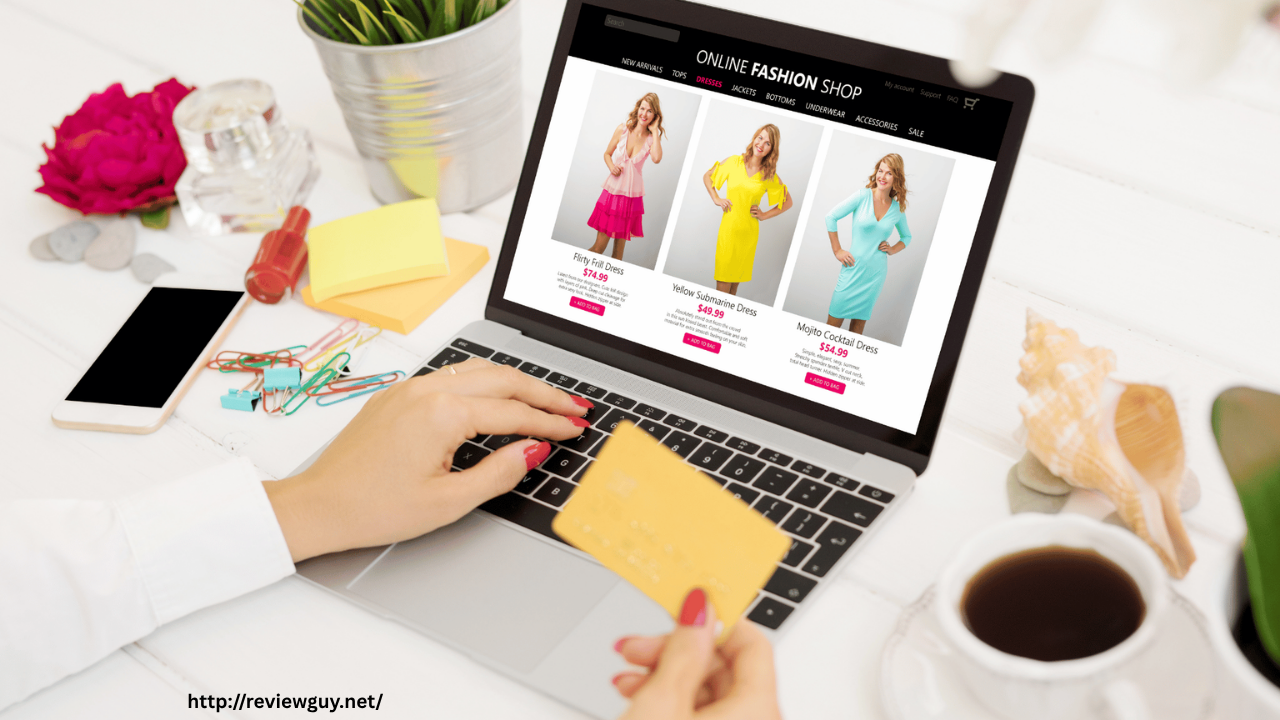
Online shopping has become a common form of entertainment and relaxation. With just a few clicks, you can buy almost anything—from groceries to clothes to the latest tech gadgets. For many, shopping online serves as a harmless escape, often called “retail therapy.” But what happens when occasional comfort shopping turns into an emotional crutch? When buying becomes a way to numb stress, ease loneliness, or distract from problems, it may signal a deeper issue: compulsive online shopping.
The Slippery Slope of Emotional Spending
Retail therapy can feel like a quick fix for life’s emotional ups and downs. After all, making a purchase often provides a temporary sense of excitement and control. The problem begins when shopping becomes a default coping mechanism. Instead of addressing the root of emotional discomfort, people may start shopping to fill a void, escape negative feelings, or reward themselves for enduring difficult days.
Online retailers make this process even easier. With endless products, personalized recommendations, and one-click checkout, the temptation is constant. Algorithms are designed to keep you browsing, clicking, and buying—especially when you’re most vulnerable.
Signs That Shopping Has Become an Emotional Crutch
While occasional splurging is normal, it’s important to recognize when shopping crosses the line. Here are some signs to watch for:
- Shopping to soothe emotions like stress, boredom, sadness, or anxiety.
- Feeling a rush during purchases, followed by guilt or regret.
- Buying things you don’t need or already own, but justifying it as “self-care.”
- Keeping online purchases secret from loved ones.
- Struggling financially but continuing to shop impulsively.
- Feeling anxious or irritable when trying to cut back on online shopping.
If these patterns sound familiar, it’s likely that shopping is being used as an emotional escape rather than a mindful activity.
Breaking the Cycle: Healthier Ways to Cope
The first step toward change is recognizing the emotional triggers behind your shopping habits. Ask yourself: Am I buying this because I truly need it, or am I trying to avoid an uncomfortable feeling? Journaling your emotions and noting your spending patterns can help you spot these triggers.
Next, replace shopping with healthier coping strategies:
- Exercise or take a walk to reduce stress.
- Talk to a friend or family member about what you’re feeling.
- Practice mindfulness or meditation to become more aware of emotional impulses.
- Engage in creative hobbies like art, cooking, or writing to fill emotional gaps.
- Set financial goals that motivate you to save rather than spend.
If you find it difficult to manage on your own, consider seeking help from a therapist or counselor. Behavioral therapy can help you develop healthier ways to deal with emotions and break the cycle of compulsive shopping.
Final Thoughts
Shopping can be fun and even therapeutic in moderation. But when it becomes an emotional crutch, it may lead to regret, debt, and unresolved emotional struggles. By recognizing the signs and learning healthier coping methods, you can regain control—not just over your wallet, but over your emotional well-being.